Top Dental Restoration Products to Source from China?
The global dental restoration market is experiencing significant growth. According to a report by Mordor Intelligence, the market is projected to reach $20 billion by 2026. This demand is driven by increased awareness of oral health and advancements in dental technologies. As a result, sourcing high-quality dental restoration products from China has become increasingly attractive.
China is known for its vast production capacity and competitive pricing. Dental restoration products such as crowns, bridges, and dentures can be sourced efficiently. However, quality control is crucial. Poor quality materials can lead to subpar restoration outcomes and patient dissatisfaction. It’s essential for dental professionals to partner with reputable manufacturers.
Despite the benefits, there are challenges. Not all suppliers adhere to international quality standards. Therefore, thorough vetting is necessary when selecting products. A successful strategy involves researching suppliers, seeking certifications, and prioritizing quality. This careful approach ensures reliable dental restoration solutions, contributing to better patient care.
Top Chinese Manufacturers of Dental Restoration Products
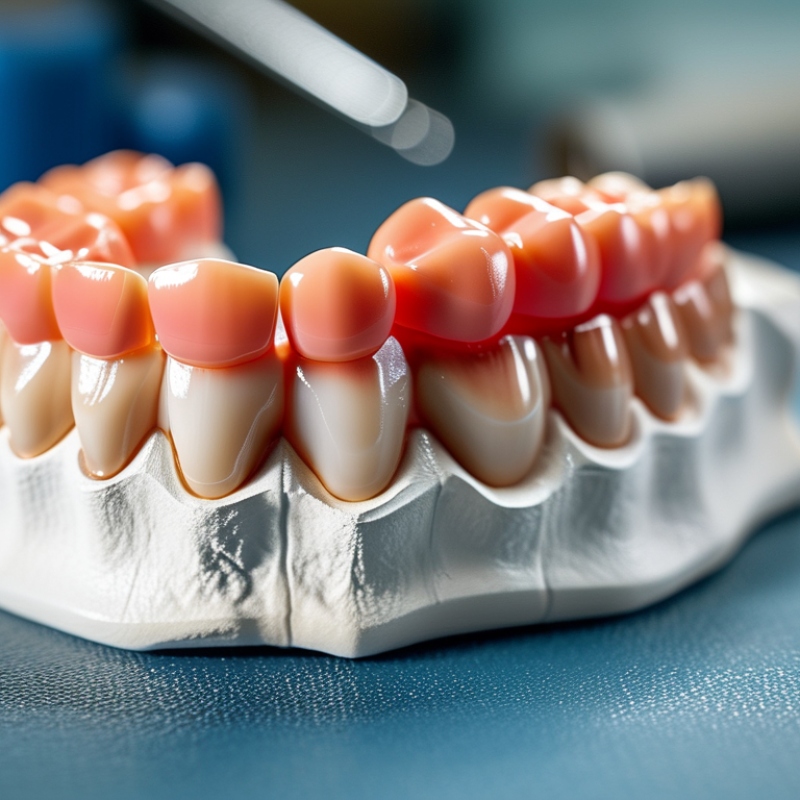
The dental restoration market is evolving, and sourcing products from China has become increasingly appealing. According to a recent industry report, China's dental restoration market size is expected to reach approximately $4 billion by 2025, driven by the rising demand for cosmetic procedures. This growth can be attributed to the country’s technological advancements and increasing production capacity.
Prominent manufacturers in China specialize in various dental restoration products, such as crowns, bridges, and dentures. These companies often utilize advanced materials, including zirconia and lithium disilicate. Notably, studies indicate that zirconia restorations demonstrate superior strength and aesthetics, appealing to both dentists and patients. However, some concerns about quality consistency persist. Not all manufacturers adhere to international standards, making it vital to conduct thorough evaluations before sourcing.
Partnerships with reputable Chinese manufacturers can yield substantial cost savings. However, ongoing communication is crucial to ensure product quality. Some manufacturers may require stringent quality control measures. Investing in proper supplier audits can help mitigate risks associated with subpar products. Exploring this landscape requires careful consideration of both potential benefits and challenges.
Key Types of Dental Restoration Materials Sourced from China
When sourcing dental restoration materials from China, it's essential to understand the key types available. Common options include composite resins, ceramics, and dental alloys. These materials are used in a variety of applications, from fillings to crowns. Composite resins are favored for their aesthetic appeal and ease of use. They bond well with tooth structure and can be color-matched to natural teeth.
Ceramics are another popular choice. They are durable and resistant to wear, making them ideal for long-lasting restorations. In recent years, advancements in dental ceramic technology have improved their strength and translucency. This means dentists can offer patients more natural-looking results.
Tips: Always verify the quality certifications of materials. Look for reliable suppliers with a proven track record. Consider conducting small test orders before making larger purchases. While sourcing from China can be cost-effective, it’s crucial to ensure that the materials meet safety and quality standards. It’s advisable to keep an open line of communication with manufacturers to address any uncertainties.
Top Dental Restoration Products Sourced from China
Market Trends in Dental Restoration Products: China’s Growth Influence
The dental restoration market in China is experiencing notable growth. This surge is due to an increasing demand for quality dental products and services. More professionals are entering the field, and consumer awareness is rising. However, it’s essential to consider the various factors driving this trend.
Chinese manufacturers are offering a diverse range of dental restoration products. Innovations in materials and technology are becoming standard. Dentists can find reliable options for crowns, bridges, and implants. However, not all products meet the highest standards. Careful sourcing is crucial to ensure quality.
**Tips:** When sourcing dental products, verify the manufacturer’s certifications. Look for companies with a track record of reliability. Engage with local dental professionals to get recommendations. Additionally, consider participating in industry events in China. This can provide insights into new trends and technologies. Adapting to market changes will help your practice thrive.
Quality Standards and Certifications for Dental Products in China
When sourcing dental restoration products from China, it is essential to understand the quality standards and certifications that govern these products. The Chinese National Medical Products Administration (NMPA) requires dental products to meet specific safety and efficacy standards before they can enter the market. The ISO 13485 certification is critical, ensuring that manufacturers adhere to quality management systems for medical devices. A study by the International Organization for Standardization revealed that about 60% of medical device manufacturers in China have achieved this certification, showcasing their commitment to quality.
Additionally, the FDA's Good Manufacturing Practice (GMP) guidelines are also significant for dental products exported to markets like the United States. Compliance with these guidelines ensures that products meet safety and quality benchmarks. However, discrepancies in quality may still occur. Reports indicate that nearly 15% of imported dental products face quality assessment issues due to non-compliance. This underlines the importance of thorough vetting and dialogue with suppliers to mitigate risks.
In conclusion, sourcing from China offers opportunities but comes with challenges. Ensuring that dental products meet the necessary certifications is crucial. While many manufacturers strive for excellence, some may fall short. Therefore, buyers should remain diligent and proactive in their quality assessments to ensure they acquire reliable products.
Cost Analysis: Sourcing Dental Restoration Products from China
When sourcing dental restoration products from China, cost analysis becomes crucial. A report by *Grand View Research* indicates that the global dental restoration market is expected to reach $16.5 billion by 2028. This rapid growth emphasizes the need for competitive pricing, and China remains a viable option for sourcing products.
Production costs in China are significantly lower than in Western countries. Manufacturers benefit from economies of scale and lower labor costs. For instance, a detailed analysis shows that dental crowns manufactured in China can cost 30-50% less than their European counterparts. However, pricing isn't solely about manufacturing costs. Logistics, tariffs, and quality control play essential roles. Neglecting these factors might lead to unexpected expenses.
Quality concerns arise when sourcing from overseas. While China has advanced manufacturing capabilities, quality assurance varies widely among producers. Companies must conduct thorough audits and inspections to ensure standards meet local regulatory requirements. For dentists and suppliers, maintaining a balance between cost and quality is vital. Potential risks exist if due diligence is overlooked, leading to both financial and reputational damage. Investing in relationships with reliable partners in China can mitigate these risks and improve supply chain efficiency.
Top Dental Restoration Products to Source from China - Cost Analysis
| Product Type |
Average Cost (USD) |
Material |
Lead Time (Days) |
MOQ (Pieces) |
| Porcelain Crown |
$35 |
Porcelain |
30 |
100 |
| Composite Filling |
$10 |
Composite Resin |
20 |
200 |
| Dental Implant |
$150 |
Titanium |
45 |
50 |
| Dental Bridge |
$100 |
Metal/Porcelain |
30 |
75 |
| Orthodontic Bracket |
$0.50 |
Stainless Steel |
15 |
2000 |