Top Inulin Powder Suppliers for Global Buyers
Global buyers evaluating Inulin Powder need more than an attractive price or a polished product sheet. They need dependable specifications, traceable sourcing, and clear answers about how each grade performs in food applications. A fine white powder may look similar across samples, yet solubility, sweetness, fiber content, and handling behavior can differ.
Professor Glenn Gibson, a leading prebiotic researcher, helped define the concept with Marcel Roberfroid: “A prebiotic is a non-digestible food ingredient that beneficially affects the host by selectively stimulating the growth and/or activity of one or a limited number of bacteria in the colon.” That scientific context matters. Inulin is widely used as a dietary fiber and prebiotic ingredient, but buyer decisions still depend on the specific product and evidence supplied.
Look closely at the supplier’s technical data, batch consistency, origin information, and quality-management documentation. Ask how the powder behaves in your intended formulation, especially in beverages, baked goods, or reduced-sugar products. Request samples and compare them under realistic production conditions. Small differences show up.
A reliable supplier should explain limitations as well as strengths. For instance, a grade suited to one recipe may not deliver the same texture in another. This guide examines leading Inulin Powder suppliers for global buyers, with attention to product range, documentation, supply capacity, and communication. No ranking can replace your own checks. Some supplier details may also change, so confirm current specifications before making a purchasing decision.
What Is Inulin Powder and Where Is It Used?
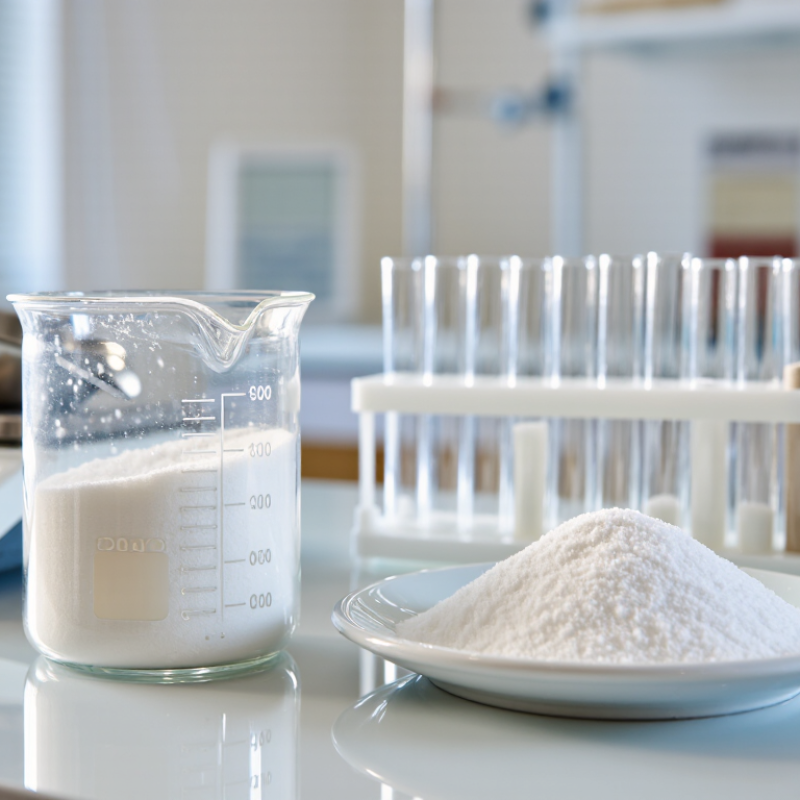
Inulin powder is a soluble dietary fiber, commonly extracted from chicory root. It dissolves into foods and can add fiber with little change to flavor. Inulin may also provide mild sweetness and a creamy mouthfeel. That makes it useful in yogurt, nutrition bars, baked goods, and powdered drink mixes. A small spoonful can help thicken a smoothie, though too much may affect its texture.
The U.S. FDA’s 2018 dietary-fiber rule includes inulin among recognized nondigestible carbohydrates. The FDA sets the Daily Value for fiber at 28 grams on a 2,000-calorie diet. Inulin can contribute to that amount, but it is not a cure-all. Some people experience gas or bloating when intake rises quickly, so product developers should consider serving size and tolerance.
Demand is also reflected in market estimates. Grand View Research valued the global inulin market at about USD 1.9 billion in 2023 and projected a 6.8% compound annual growth rate from 2024 to 2030. For buyers, application matters: powder solubility, purity, and particle size can affect blending and finished texture. One detail is easy to overlook. A fiber claim does not guarantee a pleasant product.
How the Global Inulin Supplier Market Is Organized
Top Inulin Powder Suppliers for Global Buyers
The global inulin supplier market typically connects crop growers, extraction plants, ingredient distributors, and food manufacturers. Chicory root is a major commercial source, while suppliers differ in extraction capacity, powder specifications, and documentation. Large processors may serve international buyers directly; smaller distributors can offer more flexible order sizes. The chain is not always transparent.
Grand View Research estimated the global inulin market at about US$1.9 billion in 2023 and projected continued growth through 2030. This is a commercial market estimate, not a trade census, and published figures vary with report scope. Buyers should compare more than price: check inulin content, solubility, moisture limits, batch traceability, and representative certificates of analysis. A sample mixed into cold water can reveal clumping that a specification sheet may not show. Still, one test cannot predict every production line.
Tip: Ask suppliers for recent batch documents, origin details, and lead-time ranges. Confirm whether quoted terms include freight and sampling costs. Small details matter. The market map can feel incomplete because distributors may source from multiple plants; verify the manufacturing site for each order.
Which Factors Help Buyers Compare Inulin Suppliers?
Which Factors Help Buyers Compare Inulin Suppliers?
Compare specifications before comparing price. Ask for inulin content, moisture, ash, particle size, and the test methods behind each figure. A certificate of analysis should match the delivered lot, not just a typical sample. Also check microbiological limits, allergen controls, origin, and traceability. Small gaps matter. A powder that clumps in a cool, humid warehouse can slow a production line, even when its assay looks strong.
Application performance deserves a practical test. Chicory inulin can differ in chain-length profile and behavior, affecting sweetness, solubility, and texture. EFSA’s scientific assessment supports a bowel-function claim at 12 grams per day of chicory inulin; that figure is not a universal product-quality benchmark, but it shows why dose and identity need careful documentation. Request samples, then test them in the intended recipe and process. Check whether the powder disperses in a cold beverage or gives the expected body in a baked product.
Review food-safety systems, audit evidence, change-control procedures, and realistic lead times. Ask how the supplier handles crop variation and specification failures. ISO certification is useful context, not proof that every lot performs identically. I would compare landed cost per usable kilogram, including freight and testing, rather than price per bag. Paperwork can look perfect. Production tells more. One limitation: a short trial may miss seasonal variation, so retain samples and review later lots.
Top Inulin Powder Suppliers: Buyer Comparison Checklist
A practical checklist of evidence points to compare when evaluating inulin suppliers.
Bars show the number of checks in each category in this buyer checklist—not supplier ratings or market survey results. Compare product specifications, quality documentation, regulatory support, supply reliability, and commercial terms using current supplier records.
Where to Find Major Inulin Powder Supply Regions
Major inulin supplies often come from chicory root, with established growing and processing networks across Belgium, the Netherlands, France, and Poland. These regions benefit from suitable climates, crop experience, and nearby extraction facilities. Buyers can often find consistent food-grade powders there. Still, country of origin alone says little about a lot’s performance. Ask for fiber content, moisture limits, particle size, and batch-specific documents. Details matter.
Mexico is an important source region for agave-derived inulin. Its composition and solubility can differ from chicory inulin, so recipes may need adjustment. Do not assume the two are interchangeable. China also has agricultural and processing capacity for inulin crops, including chicory and Jerusalem artichoke. Availability and specifications vary by producer, however. This supply picture is not always uniform.
When comparing origins, check the crop source, extraction location, and delivery route separately. A supplier may process material far from where its crop was grown. Request a recent specification sheet and a representative certificate of analysis, then confirm that the values match your intended use. Check the evidence. Harvest timing, storage conditions, and shipping delays can affect lead times; regional reputation cannot replace lot-level verification.
Top Inulin Powder Suppliers for Global Buyers - Where to Find Major Inulin Powder Supply Regions
| Supply region | Main inulin source | Common ingredient formats | Regional supply profile | Buyer considerations |
Western and Central Europe
Belgium, the Netherlands, France, and Poland | Chicory root | Native chicory inulin powder; shorter-chain oligofructose ingredients | A long-established chicory-growing and processing region with access to agricultural and food-processing infrastructure. | Confirm the declared fiber content, chain-length profile, solubility, and whether the ingredient is native inulin or oligofructose. |
China
Northern and eastern growing areas | Chicory root and Jerusalem artichoke | Inulin powders and related fructan ingredients, depending on crop and processing method | A significant source of plant-based inulin ingredients. Crop availability and product specifications can vary by origin and processor. | Request crop-origin details, product-specific testing, food-safety documentation, and confirmation of the botanical source. |
| Mexico | Agave | Agave-derived inulin and fructooligosaccharide ingredients | Agave is an important regional feedstock for fructan ingredients. Its composition differs from chicory-derived inulin. | Check the ingredient’s exact identity and composition; do not assume agave fructans have the same properties as chicory inulin. |
| Other European growing areas | Chicory root and, in some areas, Jerusalem artichoke | Crop- and processor-dependent inulin ingredients | Additional agricultural supply may come from countries with suitable growing conditions, but commercial processing availability can differ considerably. | Verify whether the crop is grown locally or sourced elsewhere, and assess seasonal availability and continuity of supply. |
Regional patterns indicate common crop and processing sources, not a ranking of individual suppliers. Availability, specifications, and origin may vary by season and producer.
How Global Buyers Can Assess Suppliers and Plan Procurement
Global buyers should assess inulin powder suppliers against a written specification, not a sales description. Confirm the declared plant source, inulin content, moisture level, particle size, and microbiological limits. Ask for a lot-specific certificate of analysis and check which test methods support its results. Details matter. If a supplier cannot explain a measurement clearly, request clarification before comparing quotations.
Request a representative sample and evaluate its appearance, flow, and dispersibility under your actual production conditions. A small bench test may reveal clumping or slow dissolution that a document cannot show. Review traceability records, quality procedures, packaging options, and the process for handling rejected lots. Verify that documents match the proposed product and production site. Paperwork can look complete while leaving practical questions unanswered.
Procurement planning should connect forecast demand with minimum order quantities, production lead times, shipping schedules, and storage capacity. Compare landed cost, including freight and handling, rather than unit price alone. Agree on packaging size and moisture protection, especially if the powder will travel through humid conditions. Keep a modest buffer when supply timing is uncertain, but avoid tying up cash in excess stock. A spreadsheet can make this look precise. It is not; review assumptions with operations and adjust them as actual delivery performance becomes clear.