Top Pharmaceutical Machinery in China for Global Buyers?
As the global pharmaceutical industry grows, the demand for advanced Pharmaceutical Machinery increases. China has become a key player in this field. The country offers a wide range of machinery catering to various pharmaceutical production needs. Buyers worldwide are keen to explore the capabilities of Chinese manufacturers.
While many manufacturers boast cutting-edge technology, not every option is ideal for every buyer. Some machinery may not meet stringent international standards. Reliability of the equipment varies, which warrants careful consideration. It’s essential for global buyers to assess the quality and performance of these machines before making a purchase.
Engaging with experts and local suppliers can provide valuable insights. This can help mitigate potential risks and enhance the purchasing process. Exploring trade shows or online platforms dedicated to pharmaceutical solutions is also beneficial. Doing thorough research can expose buyers to innovative machinery that aligns with their needs. In the ever-evolving pharmaceutical landscape, choosing the right machinery is critical for success.
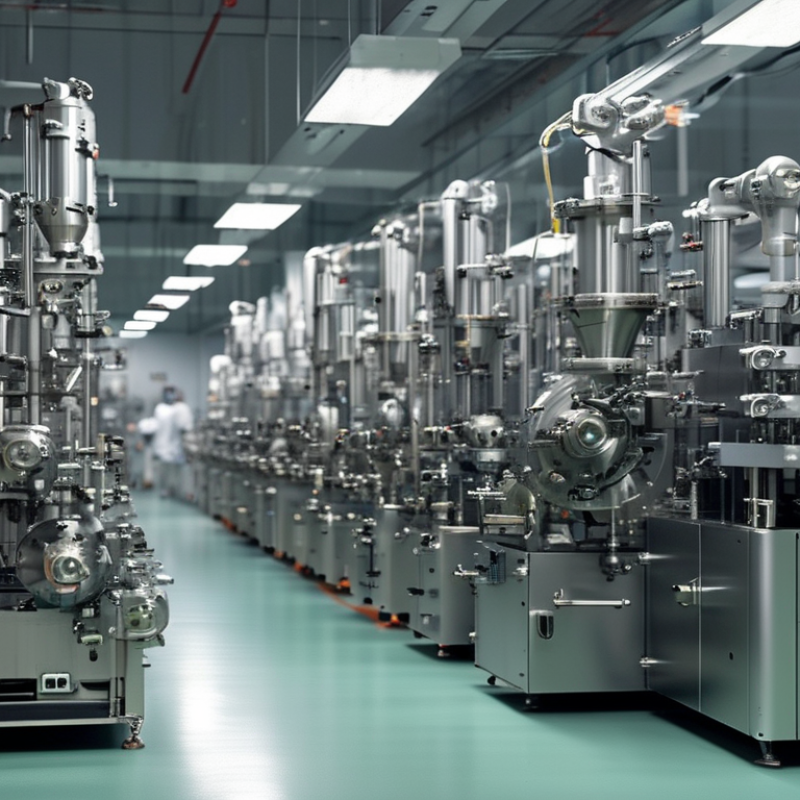
Overview of Pharmaceutical Machinery in China
China plays a significant role in the global pharmaceutical machinery market. With advanced technology and skilled labor, Chinese manufacturers offer a wide range of equipment. This includes tablet press machines, filling lines, and packaging equipment. The growing demand for affordable and efficient machinery attracts global buyers.
When purchasing pharmaceutical machinery, it's essential to assess quality and compliance. Not all manufacturers meet international standards. Look for certifications that confirm reliability and safety. Production quality can vary. Conduct thorough research to avoid costly mistakes.
Tips for purchasing:
- Verify the manufacturer’s credibility.
- Request samples or demonstrations.
- Understand the warranty and support offered.
The landscape is competitive. Buyers may face challenges in navigating numerous options. Understanding local regulations can be difficult for international companies. Effective communication with suppliers is crucial. Language barriers may impact negotiations. Be prepared to invest time for a fruitful collaboration.
Key Players in the Chinese Pharmaceutical Machinery Market
The Chinese pharmaceutical machinery market is thriving. It plays a crucial role in global supply chains. Many buyers are turning to China for high-quality machinery. Key players in the market are driving innovation and offering diverse products. They specialize in manufacturing machines for tablet production, liquid filling, and packaging.
Companies in this sector focus on efficiency. They invest in the latest technology to enhance productivity. However, challenges remain. Some manufacturers struggle with quality control. Others face issues with meeting international standards. There is a need for continuous improvement.
Collaboration is essential for success. Local firms often seek partnerships with foreign entities. This approach helps them access advanced technologies. It also increases their credibility on the global stage. Trust and reliability play a significant role in buyer decisions. Thus, building solid relationships is critical.
Innovative Technologies in Chinese Pharmaceutical Equipment
China's pharmaceutical machinery industry is rapidly advancing. The focus on innovative technologies is transforming production efficiency. Automation and smart manufacturing are becoming standard practices. This shift reduces human error and increases consistency. New machinery designs often integrate artificial intelligence, providing data-driven insights.
Advanced packaging solutions are also emerging. These systems enhance product safety and shelf life, ensuring compliance with global standards. However, there are challenges. Not all manufacturers can adopt these technologies quickly. Some may lack the resources or understanding needed for implementation. This gap can affect competitiveness in the global market.
Sustainability is another critical focus. New machines often use fewer resources, reducing waste. However, not every solution is perfect. Some technologies may not be as environmentally friendly as they claim. Continuous evaluation and improvement are essential. Only then can the industry truly innovate while remaining accountable.
Top Pharmaceutical Machinery in China for Global Buyers
| Machine Type | Technology Level | Production Capacity (units/hour) | Energy Efficiency Rating | Application Area |
| Tablet Pressing Machine | High | 1000 | A+ | Pharmaceuticals |
| Capsule Filling Machine | Medium | 800 | A | Nutraceuticals |
| Blister Packaging Machine | High | 1200 | A++ | Pharmaceuticals |
| Liquid Filling Machine | Medium | 500 | B+ | Cosmetics |
| Inline Laboratory Mixer | High | 300 | A+ | Research & Development |
Quality Standards and Certifications for Pharmaceutical Machinery
Quality standards and certifications play a crucial role in the pharmaceutical machinery sector, particularly in China. According to a recent report from the China National Pharmaceutical Industry Association, over 70% of pharmaceutical manufacturers prioritize equipment that meets international quality standards. This emphasis on quality is vital for ensuring the safety and efficacy of pharmaceutical products.
Certifications such as ISO 9001 and GMP (Good Manufacturing Practice) are essential for any machinery used in this industry. These certifications establish trust with global buyers. They indicate that manufacturers have implemented rigorous quality management systems. A 2021 survey found that companies with these certifications experience 30% fewer production errors. Reliable machinery not only enhances productivity but also minimizes risks associated with substandard equipment.
Tips: When evaluating pharmaceutical machinery, consider requesting a copy of the supplier's certifications. Check if the machinery complies with both local and international standards. Additionally, it's wise to assess the manufacturer's history and previous projects. Many reliable suppliers will willingly share outcomes that demonstrate their capabilities. This can provide valuable insights into their operational effectiveness and commitment to quality.
Top Pharmaceutical Machinery Categories in China
Global Demand and Export Trends in China's Pharmaceutical Industry
China's pharmaceutical machinery industry continues to thrive amid growing global demand. Over recent years, there has been a noticeable surge in the export of machinery tailored for the pharmaceutical sector. This increase reflects not only the advanced technology but also the competitive pricing available in China. As manufacturers improve their processes, international buyers are taking note.
Tips: Do thorough research on machinery specifications. Requesting detailed documentation can help clarify capabilities.
Common challenges exist, such as communication barriers. Language differences may lead to misunderstandings about machinery functionalities. Some buyers might overlook critical details without proper guidance. Addressing these issues requires open dialogue and detailed contracts to ensure everyone is on the same page.
Tips: Establish a clear line of communication with suppliers. Consistent updates can build trust and prevent issues.
Overall, staying aware of trends in exports will help global buyers make informed decisions. The choice of machinery can significantly impact production efficiency and product quality. It’s essential to evaluate potential partners thoroughly to mitigate risks.