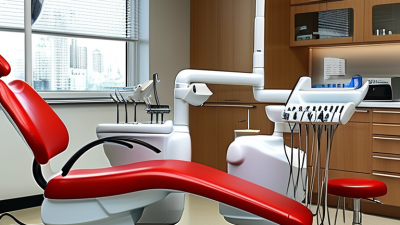
Dental care depends on more than a chair, a handpiece, or a scanner. Clinics need dependable equipment, compatible materials, clear documentation, and responsive technical support. The World Health Organization’s Global Oral Health Status Report (2022) estimates that oral diseases affect nearly 3.5 billion people worldwide. It also reports that untreated decay in permanent teeth affects about 2 billion people. The scale is substantial. These figures help explain why access to reliable dental clinical solutions matters, but they do not rank manufacturers or prove that any supplier meets a clinic’s needs.
China’s supplier landscape includes companies serving areas such as dental units, imaging systems, sterilization equipment, and digital workflows. Buyers comparing China top dental clinical solutions suppliers should look beyond product photographs and headline specifications. Check applicable certifications, service arrangements, spare-parts access, user training, and whether product claims are supported by current documents. Small details matter. A scanner’s software compatibility or a chair’s maintenance requirements can affect daily care as much as its purchase price. Supplier capabilities also vary, and public information may not reveal real-world service quality. This overview therefore treats market position cautiously and focuses on practical evaluation. For procurement teams, a careful review of evidence—and direct questions about installation, support, and product updates—can make comparisons more useful. No list can replace that work.
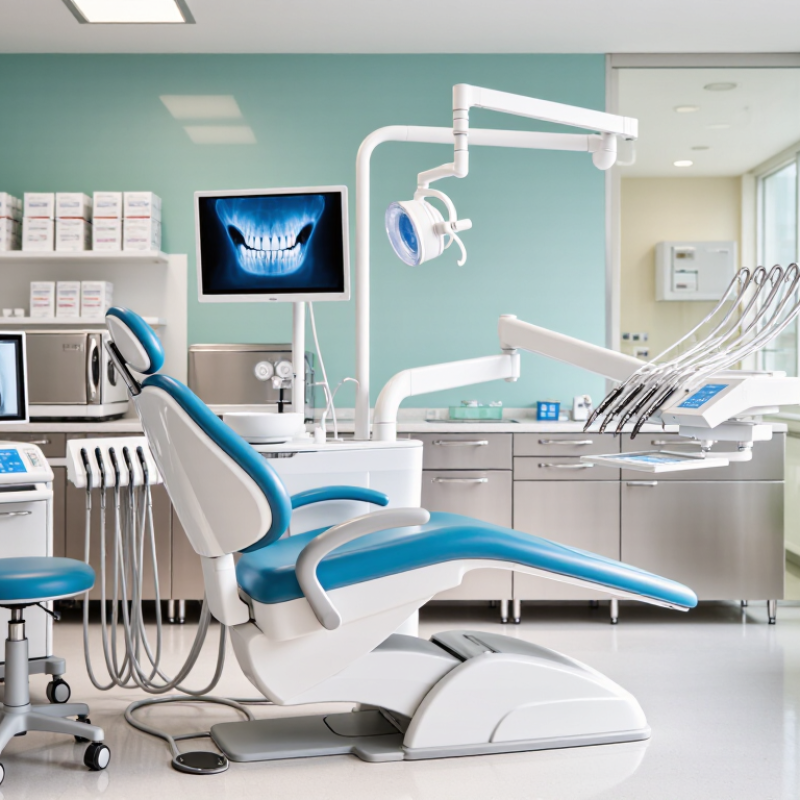
Dental clinical solutions suppliers in China provide more than individual instruments. Their offerings may include dental chairs, delivery units, imaging systems, sterilization equipment, handpieces, and treatment-room furniture. Some suppliers also help plan room layouts, coordinate equipment compatibility, and arrange installation. A practical consultation may cover chair dimensions, power connections, water lines, and space for staff movement. Small details matter.
Support can extend to operating instructions, maintenance guidance, spare parts, and staff training. Buyers should ask what is included in the quotation and which services require extra fees. Request technical specifications, warranty terms, and clear records of testing and maintenance. A polished catalogue is not proof of dependable support. Ask how service requests are handled and how quickly common replacement parts can be supplied.
Needs vary between a compact clinic and a larger treatment center, so suppliers may recommend different configurations. Compare proposed equipment against actual procedures, room measurements, and the team’s experience. If a product’s compatibility is unclear, ask for written confirmation before ordering. Even careful planning can miss something; a sample room layout may reveal awkward cable routes or limited storage before installation begins.
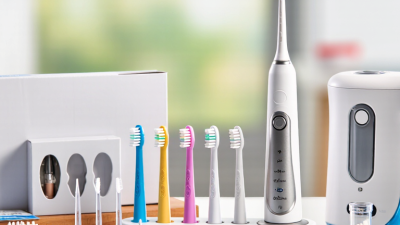
China’s dental clinical solutions suppliers are organized by product focus, service depth, and regional production networks. Some manufacturers concentrate on treatment units, imaging equipment, sterilization systems, or laboratory materials. Others provide OEM and ODM production for overseas healthcare distributors. This structure makes the market broad, but not always easy to read.
In practical supplier evaluations, buyers often separate companies into three layers: manufacturers, specialized distributors, and clinical service partners. Manufacturers control production and quality records. Distributors simplify purchasing and local delivery. Service partners may support installation, calibration, training, and maintenance. A reliable supplier should provide traceable documentation, clear product specifications, inspection records, and responsive after-sales support. Factory visits can reveal details that brochures hide, such as warehouse conditions, testing routines, and spare-part availability. No directory is perfect. Supplier information can change quickly.
Tips: Compare suppliers by solution category, not only by price. Request recent certificates and sample inspection reports. Ask who handles technical support after delivery. Check whether replacement parts are available for several years. A small pilot order may expose communication gaps early. Also, avoid assuming a large production site guarantees clinical reliability. Consistent records matter more.
| Supplier Segment | Typical Clinical Scope | Common Products or Services | Typical Customers | How the Segment Fits the Supply Chain | Key Sourcing Checks |
|---|---|---|---|---|---|
| Dental equipment manufacturers | Operatory setup, diagnostics, sterilization, and laboratory equipment. | Dental units and chairs, imaging equipment, autoclaves, compressors, suction systems, handpieces, and laboratory devices. | Dental clinics, hospitals, dental schools, laboratories, and equipment distributors. | Manufacture capital equipment, often selling through domestic or overseas distributors that provide installation and after-sales service. | Check applicable product registration or filing, electrical and safety documentation, installation requirements, spare-parts availability, warranty terms, and local service coverage. |
| Dental materials and consumables manufacturers | Restorative, preventive, endodontic, periodontal, and infection-control procedures. | Restorative materials, impression materials, burs, files, barriers, disposable items, and selected oral-care products. | Clinics, hospitals, laboratories, wholesalers, and dental-product retailers. | Supply recurring-use products through direct sales, distributors, or export channels; product portfolios and regulatory status vary by item. | Verify product specifications, lot traceability, shelf life, sterilization status where relevant, quality documentation, and the regulatory route applicable to each product. |
| Dental implant and surgical-product suppliers | Implant placement, oral surgery, and associated restorative workflows. | Implant systems, abutments, surgical instruments, bone-grafting materials, and related components. | Qualified dental clinics, oral-surgery departments, hospitals, and specialist distributors. | Provide specialized products that may require clinician training, compatibility planning, and product-specific documentation. | Confirm product registration and intended use, component compatibility, material and traceability records, surgical support, and post-market service arrangements. |
| Dental laboratory and prosthetic suppliers | Fabrication of restorations and prosthetic appliances based on clinical prescriptions or digital files. | Crowns, bridges, dentures, orthodontic appliances, model work, and related design or fabrication services. | Dental clinics, hospitals, dental laboratories, and digital-design centers. | Operate as service providers or production partners; work commonly moves between clinics and laboratories using physical impressions or digital records. | Review case communication, material specifications, turnaround expectations, remake policies, data handling, and applicable requirements for the specific product and market. |
| Digital dentistry solution providers | Digital capture, treatment planning, design, and production workflows. | Intraoral scanners, CAD/CAM systems, milling or printing solutions, imaging software, and workflow integration services. | Clinics, laboratories, dental groups, hospitals, and distributors. | Connect clinical data with design and manufacturing processes; some offerings combine hardware, software, materials, and technical support. | Assess file compatibility, software updates, cybersecurity and data-management practices, training, service response, and the regulatory status of relevant devices or software. |
| Distributors and integrated procurement suppliers | Product sourcing, sales, delivery, and—in some cases—installation or technical support. | Multi-category dental equipment, materials, consumables, spare parts, and logistics services. | Independent clinics, clinic groups, hospitals, laboratories, and institutional buyers. | Aggregate products from multiple manufacturers and help bridge manufacturers with end users in domestic or export markets. | Check authorized distribution status where applicable, product documentation, stock and delivery arrangements, returns policy, service capability, and clear allocation of warranty responsibilities. |
| Clinical service and training providers | Equipment commissioning, maintenance, user training, and workflow support. | Installation, preventive maintenance, repairs, training, and technical assistance for clinical or laboratory systems. | Clinics, hospitals, laboratories, educational institutions, and equipment purchasers. | Support product adoption and continuity of operation, often alongside manufacturers or distributors rather than as product manufacturers. | Confirm technician qualifications, response times, service-area coverage, maintenance records, spare-parts access, and the scope of service agreements. |
Note: This table describes common supplier segments, not a ranking or endorsement of individual suppliers. Regulatory classification, registration, and market-access requirements depend on the specific product, intended use, and destination market; verify current requirements with the relevant authorities and qualified regulatory professionals.
Leading dental clinical solutions suppliers combine equipment, materials, and practical support. Their portfolios commonly include digital intraoral scanners, cone-beam imaging systems, CAD/CAM milling units, dental chairs, and sterilization equipment. They also supply restorative materials, endodontic instruments, implant components, and routine consumables. The World Health Organization’s Global Oral Health Status Report (2022) estimates that oral diseases affect nearly 3.5 billion people worldwide. That scale makes dependable supply and maintenance important, especially for clinics with limited technical staff. Small details matter: a scanner that captures a clear margin, or a service engineer who responds promptly, can keep appointments moving.
Services often extend beyond delivery. Suppliers may provide equipment installation, staff training, calibration, software updates, and repair support. Some offer workflow guidance connecting digital scans with design and production, helping clinics reduce repeated impressions. The WHO report also estimates that untreated decay affects about 2 billion people in permanent teeth. This points to sustained need for diagnostic tools and restorative supplies, not just premium devices. Yet access is uneven. Advanced systems can require substantial investment, and training takes time; a new scanner alone does not improve care. Supplier comparisons should therefore consider service response, consumable availability, compatibility, and the total cost of ownership. One caveat: published global disease estimates describe clinical need, not supplier performance, so clinics still need local evidence when evaluating service claims.
Choosing among China’s dental clinical solution suppliers requires more than comparing prices or polished websites. Check the supplier’s manufacturing experience, product range, and quality management records. Relevant certifications should be current and verifiable with the issuing organization. Ask for batch traceability, inspection procedures, sterilization validation, and material specifications. A reliable supplier should explain these details clearly, not avoid technical questions.
Request samples before placing a large order. Evaluate packaging, labeling, instructions, and consistency between samples and production units. Review clinical evidence where applicable, and confirm whether documentation supports your target market’s regulations. Speak with the technical team, not only a sales representative. Their response time can reveal future support quality. Factory audits, video inspections, or independent assessments can also expose gaps that brochures hide.
Tips: Compare at least three suppliers. Check production capacity during peak seasons. Confirm lead times in writing. Ask how complaints and recalls are handled. Verify training materials and spare-part availability. Do not rely on one certificate. A strong supplier welcomes careful questions. However, evaluation is rarely perfect; a small sample cannot represent every batch, and an impressive audit may miss daily production pressure. Keep records, revisit performance, and adjust your judgment when evidence changes.
China’s top dental clinical solutions suppliers should be judged by evidence, not catalogue size. The WHO Global Oral Health Status Report 2022 estimates that oral diseases affect nearly 3.5 billion people worldwide. This scale demands stable products and dependable support. Check the supplier’s quality system, manufacturing controls, and relevant NMPA or international registrations. ISO 13485 certification is useful, but it is not proof of clinical performance. The ISO Survey 2022 recorded more than 26,000 ISO 13485 certificates globally, so verification still matters.
Ask for lot-level traceability, sterilization validation, biocompatibility documents, and complaint-handling records. Clinical data should explain real indications, limits, and expected maintenance. Request samples for workflow testing. Watch the details: clear labels, intact packaging, readable expiry dates, and consistent accessories. A responsive technical team can reduce chairside delays, especially when staff need installation or training support.
Total cost deserves careful review. Compare consumables, replacement parts, shipping time, calibration, and after-sales response. A low purchase price can become expensive after repeated adjustments. Supplier audits should include factory capacity and change-control procedures. No supplier is perfect. I would also examine one uncomfortable issue: are sales promises stronger than the available evidence? Reliable cooperation grows through transparent records, realistic lead times, and honest answers when a product needs improvement.
WhatsApp us