China Best Modern Dental Care Products Supplier?

Choosing the best modern dental care products supplier in China requires more than comparing prices or browsing polished catalogs. It demands practical evidence, technical knowledge, and careful verification. A reliable supplier should demonstrate consistent manufacturing experience, documented quality controls, and clear communication throughout the purchasing process.

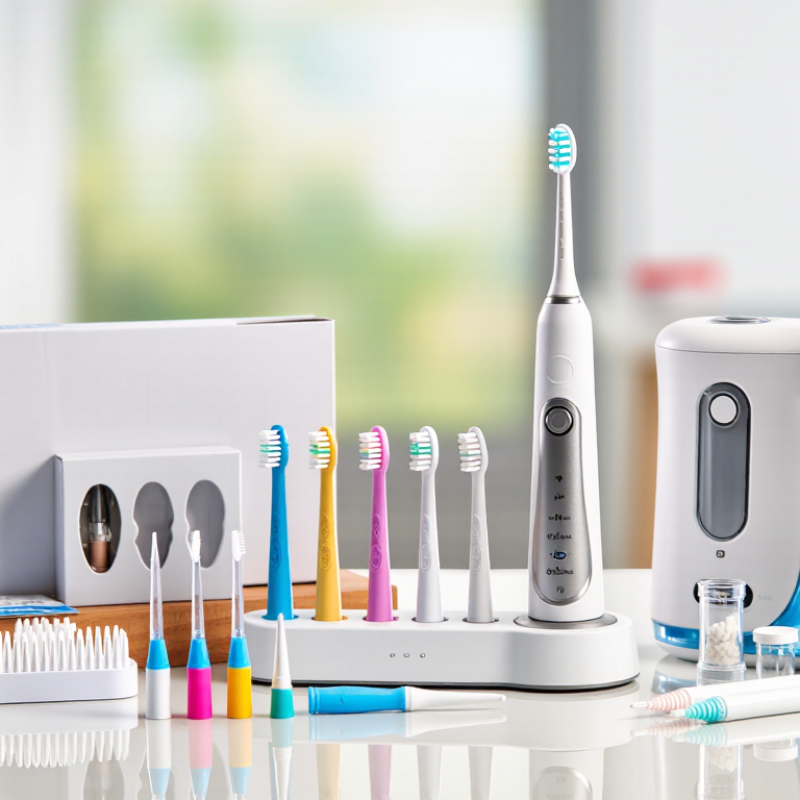
Product categories may include electric toothbrushes, water flossers, interdental brushes, whitening accessories, and professional dental consumables. Each category requires different performance checks. For example, an electric toothbrush should offer stable vibration, safe charging, comfortable grip design, and durable bristles. A water flosser should provide controlled pressure, secure water sealing, and easy nozzle replacement. Small details matter.

They often reveal quality.

Experienced buyers can request samples, factory audit records, test reports, packaging specifications, and batch traceability information. Independent testing may also help confirm material safety and electrical performance. Certifications are useful, but they should be checked against the actual product and destination-market requirements. A certificate alone does not guarantee dependable production.

This guide examines how to identify a capable Chinese supplier for modern dental care products. It considers product development, manufacturing capacity, quality assurance, customization, communication, and after-sales support. Supplier claims should be tested against real samples and delivery records. Some evaluations may remain incomplete, especially when factory information is limited or outdated. That limitation deserves honest attention.

The strongest supplier is not always the largest one. A smaller manufacturer may provide better technical support, faster revisions, or more flexible minimum orders. However, these advantages should be balanced against production stability and long-term service capacity. Careful comparison can reduce avoidable risks and support safer, more dependable dental care choices.
China Best Modern Dental Care Products Supplier?

What Defines a Modern Dental Care Products Supplier in China?

A modern dental care products supplier in China should offer more than attractive catalogs and competitive prices. The real test begins with product safety, consistent manufacturing, and clear technical evidence. Buyers should be able to review material specifications, testing records, batch numbers, and quality inspection procedures. Ask for evidence.

During a factory visit, small details can reveal operational discipline. Check whether workers follow clean handling procedures and whether production areas are properly organized. Examine packaging seals, instruction labels, and storage conditions. For oral irrigators, inspect pressure control and leakage testing. For interdental products, review wire strength, coating consistency, and user safety considerations. Details matter.

A capable supplier also listens to clinical and market feedback. Product design should reflect different age groups, user habits, and regional requirements. Useful support may include sample evaluation, packaging adjustments, documentation assistance, and stable delivery planning. Communication should remain clear when specifications change. No supplier is flawless. Delays, sample differences, or unclear documents may still occur. What matters is whether the supplier reports problems early and corrects them with measurable actions. I would not rely on polished factory photos alone. Independent testing, traceable records, and direct discussions with quality personnel provide stronger confidence. A modern supplier earns trust through repeatable processes, honest communication, and products that perform consistently after leaving the factory.
Which Dental Care Products Are Commonly Supplied?

Dental care suppliers commonly provide everyday products for homes, clinics, and dental practices. The usual range includes soft-bristle toothbrushes, replacement heads, fluoride toothpaste, dental floss, interdental brushes, and alcohol-free mouthwash. These items move quickly because patients use them daily.

Professional buyers also request disposable examination mirrors, saliva ejectors, cotton rolls, protective bibs, nitrile gloves, and sterilization pouches. Some suppliers offer polishing cups, prophy brushes, impression trays, orthodontic wax, and whitening accessories. Product selection should match the intended user. A clinic needs reliable packaging and consistent sizing, while a household buyer may prefer simple instructions and compact storage.

Quality checks matter more than a long product list. I have seen purchasing teams compare bristle softness, handle grip, seal strength, and leakage after transport. They may also review material declarations, batch records, shelf life, and test reports before placing larger orders. Small details matter. A loose cap can damage an entire carton. One common mistake is judging products only by unit price. Lower costs may hide weak packaging or unstable supply. Even experienced buyers can overlook this during busy seasons. Samples, documented specifications, and clear communication help reduce that risk. A dependable supplier should answer technical questions directly and identify product limits instead of making broad promises.

How Are Product Quality and Safety Standards Verified?

China’s Best Modern Dental Care Products Supplier? How Are Product Quality and Safety Standards Verified?

A reliable dental supplier should provide more than attractive samples and fast replies. Quality verification begins with documented manufacturing controls, trained staff, and traceable production records. Ask for the product specification, material declaration, batch number, and inspection criteria. For devices that contact tissue, request relevant biocompatibility evidence. Sterile products also need validated sterilization processes and intact packaging checks. Electrical equipment requires suitable safety and performance testing. The exact evidence depends on the product category.

Look for current certificates, not copied files with unclear dates. An ISO 13485 certificate can indicate a controlled quality system, but it does not prove every product is safe. Independent laboratory reports should identify the tested model, standards, sample details, and test date. During supplier audits, compare these reports with factory records and finished goods. Small differences can matter. A supplier should explain them clearly. No audit is perfect.

Tips: Request a sample from a normal production batch, not a specially prepared unit. Check surface smoothness, labeling, seals, odor, and packaging damage. Keep photos and test results together. Ask how complaints are investigated and how defective batches are recalled. If answers remain vague, pause the purchase. Trust needs evidence.

China Best Modern Dental Care Products Supplier? – How Are Product Quality and Safety Standards Verified?
Verification Dimension Relevant Standard or Requirement What Should Be Verified Typical Objective Evidence Recommended Review Frequency Verification Status
Quality Management System ISO 13485:2016 for medical-device quality management Whether documented processes cover design, purchasing, production, traceability, corrective action, and complaint handling. Current certificate, certificate scope, issuing-body details, audit records, and controlled procedures. Before approval and at least annually Document review
Regulatory Classification Applicable medical-device classification and market regulations Whether the product category, intended use, labeling, and technical documentation match the destination market. Regulatory registration or listing where required, declaration of conformity, technical file index, and product specifications. For every new product or market Mandatory check
Material Safety Biocompatibility assessment based on intended patient contact Whether materials that contact tissue, skin, or oral fluids have been assessed for relevant biological risks. Material declarations, supplier certificates, biocompatibility evaluation, and applicable laboratory reports. For each material or formulation change Risk-based testing
Chemical Safety Applicable chemical restrictions, including restricted substances in the destination market Whether plastics, metals, coatings, adhesives, and packaging are screened for restricted or hazardous substances. Bill of materials, safety data sheets, supplier declarations, and independent chemical test reports. Per production batch or risk plan Laboratory verification
Sterilization Control Validated sterilization process and applicable sterilization standards Whether the selected method achieves the specified sterility assurance level without damaging the product or packaging. Sterilization validation, routine cycle records, biological or chemical indicators where applicable, and release criteria. At validation and after process changes Process validation
Microbiological Quality Applicable bioburden, microbial-limit, or sterility requirements Whether microbial contamination is controlled before release and whether test methods are suitable for the product. Sampling plan, laboratory results, environmental monitoring records, and nonconformance reports. According to product risk and batch plan Batch monitoring
Electrical Safety Applicable electrical safety and electromagnetic compatibility requirements for powered equipment Whether insulation, leakage current, grounding, overheating, electromagnetic emissions, and immunity are controlled. Safety test reports, EMC reports, risk analysis, circuit protection records, and production electrical tests. During design validation and after hardware changes Technical testing
Mechanical Performance Product-specific performance and durability requirements Whether components withstand expected loads, repeated use, vibration, temperature changes, and foreseeable misuse. Performance specifications, test protocols, dimensional inspection records, and durability test results. During qualification and routine production Performance check
Software and Digital Functions Software lifecycle, cybersecurity, and electronic-record controls where applicable Whether software requirements, access control, data integrity, updates, backups, and cybersecurity risks are managed. Software validation plan, version history, vulnerability assessment, user-access records, and change-control documentation. At release and every software update Applicable only
Packaging Integrity Packaging validation for protection, cleanliness, and sterile-barrier performance where applicable Whether packaging protects the product from damage, contamination, moisture, and loss of sterility during transport and storage. Seal-strength tests, integrity tests, transport simulation, aging studies, and packaging specifications. At packaging qualification and after changes Validation required
Labeling and Instructions Destination-market labeling, symbols, warnings, and instructions for use Whether intended use, contraindications, warnings, storage conditions, expiry information, and usage instructions are accurate. Approved artwork, translation review, label-control procedure, usability review, and sample inspection records. For every artwork revision Release control
Traceability Lot, batch, serial-number, and supplier traceability appropriate to product risk Whether materials and finished products can be traced from incoming inspection through distribution and complaint investigation. Batch records, barcode or serial-number system, supplier records, distribution logs, and recall procedure. Continuous operational control System verification
Incoming and Final Inspection Documented acceptance criteria and statistically justified sampling where appropriate Whether critical dimensions, functions, appearance, cleanliness, packaging, and documentation are checked before release. Inspection plans, calibrated equipment records, sampling rationale, inspection results, and release signatures. Every production lot Pre-shipment control
Calibration and Measurement Metrological control of inspection and test equipment Whether instruments used to make acceptance decisions are calibrated, identified, protected, and suitable for their accuracy requirements. Calibration certificates traceable to recognized standards, equipment registers, and out-of-tolerance evaluations. According to documented calibration intervals Calibration audit
Supplier and Subcontractor Control Risk-based qualification and monitoring of critical suppliers Whether suppliers of materials, components, sterilization, testing, and packaging are evaluated and controlled. Approved-supplier list, supplier audits, quality agreements, incoming inspection data, and supplier corrective actions. Before approval and periodically thereafter Supply-chain review
Change Management Formal evaluation of design, material, process, software, and supplier changes Whether changes are assessed for regulatory, safety, performance, validation, and notification impacts before implementation. Change requests, impact assessments, revalidation results, approval records, and revised technical documents. For every significant change Pre-approval required
Nonconformity and CAPA Corrective and preventive action process based on root-cause analysis Whether defects, audit findings, complaints, and recurring problems are investigated and effectively closed. Nonconformance reports, root-cause analysis, corrective-action plans, effectiveness checks, and closure approval. When issues occur Continuous improvement
Post-Market Surveillance Complaint handling, adverse-event assessment, vigilance, and recall readiness Whether safety signals are collected, assessed, escalated, and reported to authorities when required. Complaint log, trend analysis, incident-assessment records, recall procedure, and distribution traceability. Continuous monitoring Post-market control
Independent Verification Testing or inspection by a competent, appropriately accredited laboratory or inspection body Whether critical claims are supported by impartial evidence rather than supplier statements alone. Signed test reports, laboratory scope, test methods, sample identification, dates, and report authenticity checks. Before initial approval and when risk changes Recommended safeguard

What Manufacturing and Customization Services Are Available?

Choosing a China-based dental care supplier requires more than comparing unit prices. The WHO Global Oral Health Status Report 2022 estimates that oral diseases affect nearly 3.5 billion people worldwide. The Global Burden of Disease 2019 study also estimated about 2.5 billion untreated cases of permanent-tooth caries. This demand requires stable production and careful customization.

Available services may include OEM and ODM manufacturing for toothbrushes, interdental cleaners, mouthguards, whitening accessories, and clinic consumables. Experienced factories can support CAD drawings, material selection, mold development, packaging, and private-label artwork. Customization should begin with intended use, not the logo. Teams may adjust bristle softness, handle geometry, wall thickness, color, and grip texture. Small details matter.

For digital dental products, services can include sensor integration, charging design, firmware testing, and app compatibility checks. Medical-device projects need documented risk control. ISO 13485-based quality systems, ISO 10993 biocompatibility testing, sterilization validation, and lot traceability can improve reliability. Suppliers should also provide incoming inspection, in-process checks, final sampling, and corrective-action records. Samples must be tested in realistic conditions. Packaging may require humidity and transport testing. One weakness remains: deeper customization can increase minimum order quantities and extend delivery times. An honest supplier states these limits early and revises samples after evidence, not promises.

How Can Buyers Evaluate and Select the Right Supplier?

Selecting the right Chinese dental care products supplier requires more than comparing quotations. Buyers should inspect product specifications, material declarations, manufacturing records, and quality-control procedures. Ask how each batch is identified and how defects are isolated. A reliable supplier can provide current test reports, clear lead times, and traceable shipment records. Do not accept vague answers. It is easy to trust a polished catalog, but that judgment can be wrong.

Request samples that match the proposed production version, not a specially prepared sample. Check fit, surface finish, labeling accuracy, packaging strength, and performance after repeated handling. For disposable or hygiene-related items, review applicable safety documentation and storage conditions. Independent testing can verify important claims when purchase volumes are high. It costs money. One failed shipment can cost more.

Evaluate communication during a small trial order. Does the supplier report delays early? Can it explain corrective actions with dates and evidence? Compare factory capacity with actual equipment, staffing, inspection stages, and delivery history. A large catalog proves little. A live or recorded factory review may reveal workflow gaps that documents hide. Certificates are not permanent proof; documents expire, standards change, and production lines drift. Keep written specifications, acceptance limits, packaging requirements, and complaint procedures in the contract. Record every agreed tolerance before the deposit is paid.

How Buyers Can Evaluate Modern Dental Care Product Suppliers

This practical 100-point evaluation model helps buyers compare suppliers objectively. Regulatory compliance and product quality receive the highest weighting because dental products require reliable safety, performance, traceability, and technical documentation. Buyers should also verify supply continuity, customization capability, and total landed cost before making a final decision.