What is Dental Manufacturing Technology and Its Benefits?
Dental manufacturing technology is revolutionizing the dental industry. This innovative approach integrates advanced techniques and materials to enhance dental care. With precision, efficiency, and personalization at its core, dental manufacturing technology offers numerous benefits.
Practices now utilize digital impressions and 3D printing. This advancement reduces time spent on conventional molds. Patients receive quicker treatment with enhanced accuracy. However, challenges persist in ensuring the technology is accessible to all practitioners.
Professionals must stay updated with evolving trends. Continuous training is essential to maintain high standards. Despite these obstacles, the potential of dental manufacturing technology to improve outcomes is undeniable. It fosters a more efficient and patient-friendly dental experience.
What is Dental Manufacturing Technology?
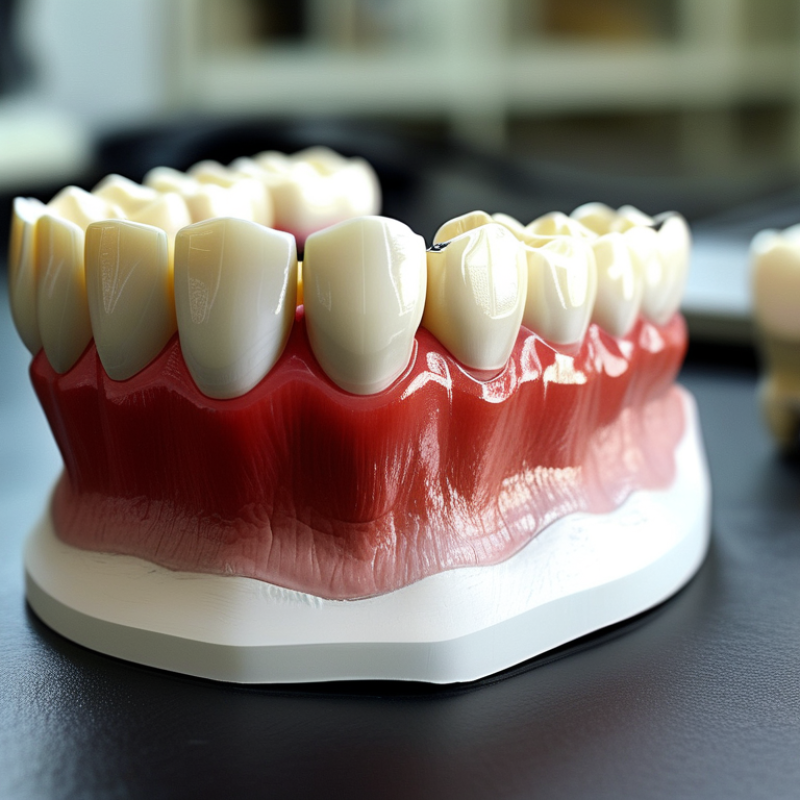
Dental manufacturing technology refers to the advanced processes and systems used in the production of dental prosthetics and devices. This technology includes techniques like 3D printing, computer-aided design (CAD), and computer-aided manufacturing (CAM). These innovations allow for high precision and customized solutions in dental care, enhancing the overall effectiveness of treatments. According to a report by Grand View Research, the dental CAD/CAM market alone was valued at over $2.1 billion in 2020 and is projected to grow significantly.
With such technology, dental practitioners can create crowns, bridges, and aligners that fit patients perfectly. This precision reduces the time spent on adjustments and improves patient satisfaction. Yet, some professionals express concerns regarding the initial investment required for these technologies. Many small practices might find it challenging to adopt these advancements without significant upfront costs.
To maximize the benefits of dental manufacturing technology, ensure consistent training for the staff. Knowing how to utilize new software and equipment effectively can lead to better patient outcomes. Regularly updating the technology is also vital to stay competitive. Being aware of advancements can help dental practices not only meet but exceed patient expectations, making it essential to balance innovation with practicality in the ever-evolving dental landscape.
Key Processes in Dental Manufacturing Technology
Dental manufacturing technology is revolutionizing the dental industry, primarily through three key processes: CAD/CAM, 3D printing, and milling. Computer-aided design and computer-aided manufacturing (CAD/CAM) enable precise customization of dental restorations. A study from the American Dental Association indicates that over 60% of dental practices are now utilizing CAD/CAM for efficiency. This technology allows dentists to create accurate dental crowns or bridges in a single appointment, improving patient satisfaction.
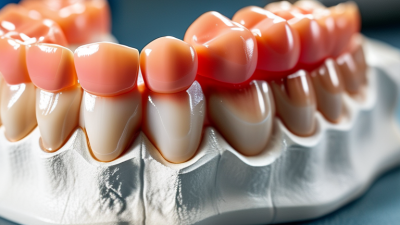
3D printing has carved a niche in creating dental models, aligners, and prosthetics. It reduces waste and speeds up production, which is crucial as the dental market is projected to reach $10 billion by 2026, according to industry reports. The layer-by-layer approach of 3D printing ensures intricate designs, meeting complex patient needs. However, it requires investment in training and equipment, which can be a hurdle for some practitioners.
Milling processes also play a significant role. Dental mills facilitate the carving of materials into precise shapes, providing a balance between quality and speed. While many facilities are equipped with such technology, the initial costs and maintenance can be challenging.
To optimize your dental practice, consider embracing a blend of these technologies. Stay updated with ongoing training and industry trends. Experiment with different materials to find the best fit for your clientele. Engaging with peer discussions can foster innovative solutions, enhancing both your skills and service offerings.
Benefits of Dental Manufacturing Technology for Dental Practices
Dental manufacturing technology introduces a new era for dental practices. Through the use of digital workflows and advanced materials, it enhances precision and efficiency in creating dental prosthetics. This technology allows for the customization of devices to better fit individual patient needs. Practitioners can produce crowns, bridges, and dentures with improved accuracy, reducing the time patients spend in the chair.
Implementing dental manufacturing technology can lead to noticeable improvements in practice productivity. By streamlining the production process, practices can handle more cases and provide faster turnaround times for patients. This can enhance patient satisfaction, as they receive high-quality restorations more quickly. Moreover, integrating this technology can result in fewer remakes and adjustments, ultimately saving time and resources. However, it requires ongoing training and adaptation, which can be challenging for some practices to manage effectively.
Despite its benefits, dental manufacturing technology is not without its challenges. The initial investment in equipment and training can be significant. Practices must also keep up with rapidly changing technologies. Balancing these needs with patient care can be a complex task. Nevertheless, the potential for improved outcomes makes it a worthwhile consideration for forward-thinking dental professionals.
What is Dental Manufacturing Technology and Its Benefits?
| Aspect |
Description |
Benefits |
| Efficiency |
Streamlined processes for creating dental products and devices. |
Reduced production time and quicker turnaround for dental practices. |
| Customization |
Ability to create personalized dental solutions tailored to individual patient needs. |
Enhanced patient satisfaction and better treatment outcomes. |
| Cost-effectiveness |
Optimized use of materials and resources in the manufacturing process. |
Lower operational costs and increased profitability for dental practices. |
| Quality Control |
Advanced technologies ensuring high precision and consistency in products. |
Improved quality of dental products leading to fewer errors and adjustments. |
| Integration |
Seamless integration with digital scanning and imaging technologies. |
Enhanced workflow and simplified processes in dental clinics. |
Impact of Dental Manufacturing Technology on Patient Care and Outcomes
Dental manufacturing technology significantly enhances patient care and outcomes through advanced techniques and tools. According to recent industry reports, employing CAD/CAM systems can reduce the time needed for crowns and bridge fabrication by up to 50%. This efficiency translates to fewer dental appointments and less time in discomfort for patients. The precision of these technologies minimizes errors, leading to better-fitting dental restorations. Fewer adjustments mean higher patient satisfaction and faster recovery times.
However, the transition to digital workflows isn’t without challenges. Some practitioners face a steep learning curve with the software and equipment. As technology evolves, continuous training is essential. Regularly upskilling staff ensures that they remain proficient in new techniques, which can directly impact patient outcomes. Insights from studies indicate that practices investing in staff education report improved patient experiences, showcasing a direct correlation between technology use and care quality.
Incorporating dental manufacturing technology into everyday practices can lead to significant advantages for patients. However, it requires careful planning and execution. Engage with patients to obtain feedback on their experiences, as this will guide improvements. Adapting technology is not just about investment; listening to your patients is key to long-term success.
Future Trends in Dental Manufacturing Technology and Innovations
The dental manufacturing technology landscape is evolving rapidly. Innovations like 3D printing are transforming how dental products are created. According to a 2022 market report by Research and Markets, the dental 3D printing sector is projected to reach $6.1 billion by 2028. This growth reflects the increasing adoption of digital workflows in dental practices.
The integration of artificial intelligence and machine learning is also noteworthy. These technologies can analyze imaging data to help in design enhancements. A recent study indicated that AI algorithms can reduce production errors in dental restorations by up to 20%. Such advancements could streamline manufacturing processes further, addressing common challenges such as supply chain delays.
Despite these advancements, there are hurdles to overcome. Not all dental labs have adapted to these technologies. The transition period can create inconsistencies in product quality. Furthermore, the need for continuous training poses an ongoing challenge. Ensuring that dental professionals are skilled in these technologies will be essential for the sector's success. The future promises exciting possibilities, yet reflection on these gaps is crucial for sustainable growth.
Benefits of Dental Manufacturing Technology