Choosing the best dental practice solutions from China requires more than comparing prices or product photographs. It demands practical evaluation of clinical needs, supplier reliability, and long-term service support. Chinese manufacturers now offer dental chairs, digital imaging systems, sterilization equipment, CAD/CAM tools, instruments, and practice-management technologies. Some solutions can improve workflow in a busy clinic. Others may create hidden costs when training, repairs, or replacement parts are difficult to arrange.
The strongest evaluation begins with evidence. Dentists and practice managers should review product specifications, clinical documentation, quality-control procedures, and relevant regulatory approvals. Independent testing matters. So does traceability. A reliable supplier should clearly explain manufacturing standards, warranty terms, software updates, installation, and technical support. A demonstration can reveal details that brochures often miss, such as chair movement, touchscreen response, imaging clarity, or instrument accessibility during treatment.
Real clinic conditions matter.
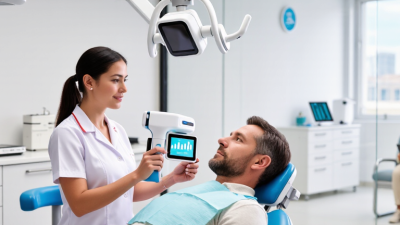
The best dental practice solutions should fit the team’s skills, patient volume, available space, and infection-control process. A compact intraoral scanner may save time, but only if staff receive effective training. A lower-cost dental unit may appear attractive, yet inconsistent maintenance can interrupt appointments and affect patient trust. This is where careful comparison becomes essential. Product certificates alone do not prove clinical value. That point is easy to overlook.
China’s dental technology sector is broad and fast-moving, but quality is not uniform. Buyers should verify suppliers, request references, inspect service capacity, and assess total ownership costs. A thoughtful decision may not select the newest system. It should select a dependable one.
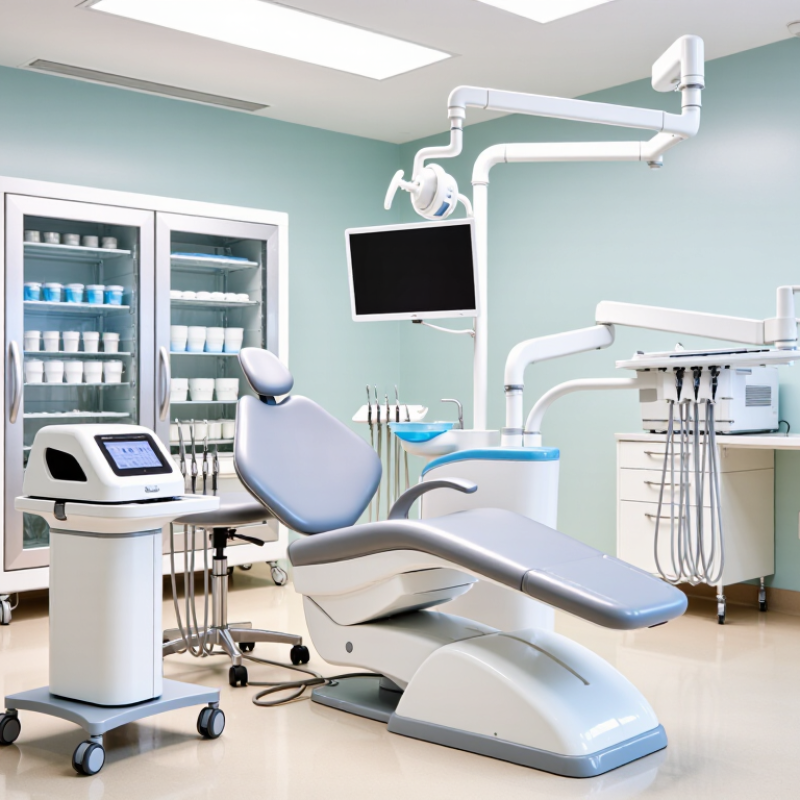
Dental practice solutions from China mainly fall into five types: diagnostic equipment, treatment units, digital workflows, laboratory systems, and clinical consumables. Diagnostic solutions include intraoral scanners, digital X-ray systems, and cone-beam computed tomography. Treatment solutions cover dental chairs, handpieces, sterilization equipment, and surgical tools. Digital systems connect patient records, imaging, treatment planning, and laboratory production.
These categories respond to a clear global need. The World Health Organization reported that oral diseases affect nearly 3.5 billion people worldwide in its Global Oral Health Status Report 2022. China’s large patient population has also encouraged manufacturers to develop scalable equipment for urban clinics and smaller practices. CAD/CAM systems can shorten laboratory communication, while digital imaging may improve case documentation. However, lower purchase prices do not always mean lower ownership costs. Maintenance, software compatibility, training, and replacement parts still matter. This is where many evaluations become too optimistic.
Tips: Compare total cost over five years, not only the quotation. Check image quality, sterilization validation, warranty terms, and local technical support. Ask for workflow demonstrations with realistic cases. A scanner may look impressive, yet staff training can determine its real value. Review clinical evidence carefully, because marketing language is not clinical proof. WHO data shows the need is enormous, but every clinic has different patient volumes, budgets, and professional skills.
| Solution Type | Main Function | Typical Equipment or Product Form | Common Clinical Use | Key Technical Considerations | Relevant Standards or Requirements |
|---|---|---|---|---|---|
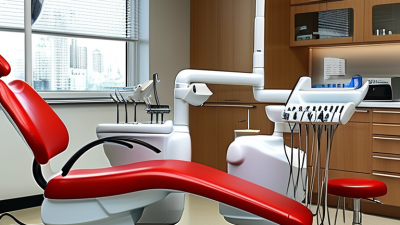
| Dental Treatment Units | Integrate instruments, water delivery, suction, lighting, and patient positioning in one workstation. | Chair-mounted or floor-mounted dental units with instrument trays and operator controls. | General dentistry, restorative procedures, endodontics, and routine examinations. | Chair ergonomics, waterline hygiene, suction capacity, foot-control design, and maintenance access. | Medical-device risk management, electrical safety, hygiene design, and applicable local registration rules. |
| Dental Imaging Systems | Capture two-dimensional or three-dimensional images for diagnosis and treatment planning. | Intraoral sensors, panoramic systems, cephalometric units, and cone-beam computed tomography systems. | Caries detection, implant planning, orthodontic assessment, oral surgery, and endodontic diagnosis. | Image resolution, field of view, radiation dose, software compatibility, and data protection. | Applicable radiation-safety rules, electrical safety requirements, software validation, and local regulatory approval. |
| Dental Handpieces and Rotary Instruments | Provide high-speed or low-speed rotary motion for cutting, polishing, and finishing. | High-speed air-turbine handpieces, electric handpieces, contra-angles, and surgical handpieces. | Tooth preparation, cavity treatment, crown adjustment, implant surgery, and polishing. | Speed stability, vibration, cooling spray, chuck reliability, noise level, and sterilization durability. | Reprocessing instructions, material biocompatibility, electrical or pneumatic safety, and applicable dental-handpiece requirements. |
| Sterilization and Infection-Control Solutions | Clean, package, sterilize, and monitor reusable dental instruments. | Steam sterilizers, ultrasonic cleaners, washer-disinfectors, sealing machines, and sterilization monitoring products. | Instrument reprocessing between patients and preparation of sterile packs. | Cycle temperature and pressure, drying performance, load capacity, traceability, and biological or chemical monitoring. | ISO 17665 for moist-heat sterilization, ISO 11140 for chemical indicators, and applicable infection-prevention guidance. |
| Dental Laboratory CAD/CAM Solutions | Digitize impressions and design or manufacture restorations with computer-assisted workflows. | Intraoral scanners, laboratory scanners, design software, milling machines, and dental 3D printers. | Crowns, bridges, veneers, surgical guides, models, aligner molds, and temporary restorations. | Scanning accuracy, file compatibility, material validation, calibration, milling precision, and workflow integration. | Material-specific biocompatibility requirements, software controls, electrical safety, and applicable medical-device regulations. |
| Dental Materials and Consumables | Support restorative, preventive, impression-taking, bonding, and temporary treatment procedures. | Composite resins, glass-ionomer cements, bonding agents, impression materials, burs, matrices, and disposable accessories. | Direct restorations, provisional work, impressions, isolation, polishing, and preventive care. | Shelf life, curing behavior, working time, dimensional stability, packaging integrity, and compatibility with clinical protocols. | Material-specific ISO requirements, biocompatibility assessment under ISO 10993 where applicable, and labeling controls. |
| Endodontic Solutions | Assist with cleaning, shaping, measuring, and filling root canals. | Apex locators, endodontic motors, nickel-titanium files, irrigation systems, and obturation devices. | Root-canal preparation and filling during endodontic treatment. | Torque control, file fatigue resistance, measurement accuracy, irrigation safety, and single-use or reprocessing status. | Applicable endodontic instrument standards, electrical safety for powered devices, and validated cleaning instructions. |
| Implant and Oral-Surgery Solutions | Support implant placement, bone preparation, extraction, and other surgical procedures. | Implant motors, surgical handpieces, surgical kits, drills, torque devices, and guided-surgery accessories. | Dental implant placement, bone drilling, tooth extraction, and minor oral surgery. | Torque accuracy, irrigation control, heat management, instrument traceability, and sterile-field compatibility. | ISO 13485 quality-management principles, biocompatibility evaluation, sterilization validation, and local implant regulations. |
| Orthodontic Solutions | Provide appliances and workflow tools for tooth alignment and occlusal correction. | Brackets, archwires, tubes, elastic components, retainers, aligner materials, and digital planning tools. | Fixed orthodontic treatment, removable appliances, retention, and clear-aligner workflows. | Dimensional accuracy, force consistency, material biocompatibility, patient comfort, and production traceability. | Biocompatibility requirements, material safety, patient-specific design controls, and applicable orthodontic-device regulations. |
| Dental Clinic Furniture and Utility Systems | Organize clinical workspaces and provide storage, utility access, and ergonomic support. | Instrument cabinets, mobile carts, stools, sinks, compressor systems, suction systems, and utility modules. | Dental operatory setup, instrument organization, clinical storage, and practice infrastructure. | Cleanability, corrosion resistance, load capacity, noise control, plumbing compatibility, and serviceability. | Electrical installation rules, water and drainage requirements, ergonomic considerations, and local building codes. |
Note: Standards and regulatory requirements vary by product category and destination market. Buyers should verify current documentation, conformity assessment, sterilization instructions, warranty terms, and after-sales support before procurement.