How to Source for 2026 Dental Industry Trends?
The dental market is changing inside ordinary treatment rooms. Digital scanners replace some impression trays. AI tools review radiographs within seconds. Patients compare prices on mobile screens before booking appointments. These details make dental industry trends easier to observe, but harder to interpret.
Dr. Marko Vujicic, Chief Economist and Vice President of the American Dental Association’s Health Policy Institute, has stated, “The dental care system is undergoing a period of rapid change.” His observation offers a useful starting point. Reliable 2026 research should connect technology, workforce shifts, insurance policy, patient demand, and practice economics. It should also separate verified evidence from promotional claims.
Look for primary sources first. Review government datasets, professional associations, peer-reviewed studies, manufacturer filings, and transparent surveys. Check publication dates carefully. A 2023 prediction may not explain a 2026 purchasing decision. Compare at least three sources before calling a pattern a trend.
Small evidence matters.
A clinic’s falling no-show rate may reveal stronger value than a glossy technology brochure. A hygienist’s workflow can expose problems hidden by vendor demonstrations. Experienced practice owners should record implementation costs, training hours, patient acceptance, and clinical outcomes. Those measurements create practical expertise.
Still, no forecast is flawless. Adoption may move slower than expected. Regulatory changes may alter access and reimbursement. Our assumptions can be wrong. This guide therefore treats dental industry trends as informed signals, not guaranteed outcomes. The goal is careful sourcing, useful judgment, and decisions that remain credible when market conditions change.
Before sourcing 2026 dental industry trends, define exactly what the research should cover. A broad topic creates vague findings and weak purchasing decisions. Set the scope by product category, treatment setting, region, and customer type. Include preventive care, restorative procedures, digital workflows, imaging, materials, and dental laboratory services. Decide whether the research focuses on clinics, laboratories, distributors, or patients. It should not cover every healthcare development.
Use a clear time frame. Compare data from 2023 through 2025, then examine signals affecting 2026. Reliable sources include regulatory updates, peer-reviewed studies, professional associations, hospital procurement records, and verified market data. Interview dentists, laboratory technicians, and purchasing managers when possible. Their daily experience can reveal problems that statistics miss. A rising search trend alone proves little.
Define evidence standards before collecting information. Separate confirmed adoption from early experiments, predictions, and promotional claims. Check whether figures use the same regional definitions and sample sizes. A trend in urban clinics may not represent smaller practices. That difference matters. I would also record source dates, research methods, and possible conflicts of interest. Some forecasts will be wrong. My own first scope may be too narrow, especially when patient expectations change faster than clinical purchasing cycles. Revisit the boundaries monthly, but keep the original criteria visible for honest comparison.

Reliable dental market intelligence begins with evidence, not attractive headlines. The World Health Organization’s Global Oral Health Status Report (2022) estimates that oral diseases affect nearly 3.5 billion people worldwide. Use this figure as a demand signal, not a complete market forecast. Check its definition, year, and regional limits. Pair it with OECD Health at a Glance 2023 data on healthcare spending, workforce supply, and unmet needs. These details reveal whether growth reflects real access or higher prices.
Professional sourcing should combine public statistics, peer-reviewed studies, and carefully reviewed commercial reports. Compare market size estimates with national health ministries, dental associations, and published reimbursement schedules. Look for sample size, interview dates, forecast assumptions, and currency adjustments. A report without methodology is only an opinion. Technology claims also need testing. The FDI World Dental Federation’s policy publications and clinical literature can help separate proven workflows from early experiments. I would not trust one survey. Even reputable surveys can miss small clinics and rural patients.
Tips: Build a source table with publication date, geography, sample size, and key definitions. Refresh it quarterly. Track contradictions instead of hiding them. For example, rising equipment sales may coexist with dentist shortages. That tension matters. My own first reading may still be wrong. Recheck the original tables before making a 2026 investment decision.
Sourcing for 2026 dental trends should begin with patient problems, not impressive gadgets. In clinic observations, patients ask for shorter visits, clearer treatment plans, and less anxiety. Older adults often need comfortable tools and simple maintenance instructions. Younger patients expect digital communication, transparent pricing, and convenient follow-up. These needs should shape the search for emerging products.
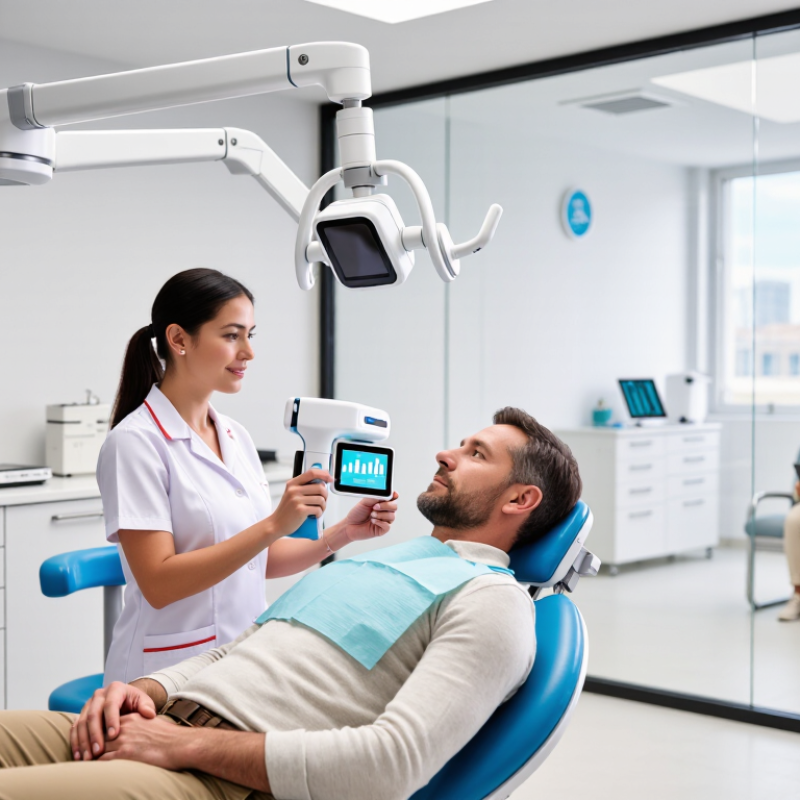
Evaluate intraoral scanners, chairside imaging, AI-assisted diagnostics, and connected preventive devices. Technology is not automatically useful. Ask for peer-reviewed evidence, training requirements, maintenance costs, interoperability, and documented data protection. A promising system should support clinical judgment, not replace it. Request sample workflows and test accuracy across different dentitions. Check usability during a busy morning, with gloves and limited time. Small details matter. Does the screen glare? Can staff explain results without alarming patients?
Product sourcing also means reviewing materials, consumables, sterilization compatibility, repair access, and supply continuity. Speak with dentists, hygienists, assistants, and patients before placing large orders. Their feedback may expose hidden problems, such as bulky handles or confusing alerts. I would pilot one product for four weeks and record appointment time, repeat visits, patient understanding, and staff workload. Early trials can mislead. One successful case proves little. Buying criteria may need revision when evidence conflicts with expectations. Keep clear records of clinical performance, costs, and patient responses.
Trend research in the dental industry should begin with evidence, not exciting headlines. In my sourcing work, I record the publication date, sample size, research method, and market covered. Each claim receives a simple confidence rating. Small details matter.
An expert interview can reveal what data misses. Dentists may describe workflow problems, training gaps, or patient hesitation. Dental technicians can explain production limits and material consistency. Procurement managers can discuss pricing, supply stability, and maintenance needs. However, expert opinions are not proof. I compare them with peer-reviewed studies, clinical reports, and verified market data. One interview is only a signal.
Market comparison adds useful pressure. I examine adoption rates across regions, practice sizes, and care settings. A technology growing in urban clinics may remain impractical for smaller practices. Reimbursement structures, staff skills, and equipment access can change the trend completely. I also compare sales projections with actual usage indicators, such as training enrollment or procedure volume. Numbers can still mislead. Forecasts often sound more precise than they are.
My process is not perfect. Some sources repeat the same original survey, creating false agreement. I have also trusted confident experts too quickly. That mistake deserves attention. Before publishing a trend claim, I seek conflicting evidence and ask what would prove it wrong. A reliable trend survives comparison, expert challenge, and closer inspection of everyday dental practice.
Validate Trend Evidence Through Expert and Market Comparison
Global disease-burden data provides a measurable demand signal for 2026 trend sourcing. The largest evidence areas are untreated dental caries and periodontal disease, while oral cancer represents a significant diagnostic and prevention opportunity. Before treating any trend as market-ready, compare these public-health indicators with expert consensus, clinical guidelines, regulatory activity, and independent market research.
Sources: World Health Organization, Oral Health Fact Sheet; International Agency for Research on Cancer, Global Cancer Observatory 2022. Values are rounded global estimates: untreated caries in permanent teeth, 2,500 million people; untreated caries in primary teeth, 514 million children; severe periodontal disease, approximately 1,000 million people; new oral cancer cases in 2022, approximately 390 million cases.
A practical 2026 dental trend report begins with a clear evidence map. Define each trend by patient need, clinical use, cost, and adoption stage. Gather peer-reviewed studies, public regulatory updates, conference abstracts, and interviews with dentists, hygienists, technicians, and practice managers. Record the source date, country, sample size, and commercial interest. A recent clinic interview can reveal workflow problems that a market forecast misses.
Organize findings in a spreadsheet before writing prose. Use one row for each signal, such as chairside scanning, preventive monitoring, digital records, or lower-waste materials. Add columns for evidence strength, expected 2026 impact, implementation barriers, and unanswered questions. Separate proven practice from early experimentation. Then score each signal from one to five for clinical value, affordability, training demand, and patient acceptance. Keep the scoring rules visible. Readers should understand how judgments were made.
Build the report around decisions, not hype. Each trend section can show the evidence, a real clinic scenario, likely benefits, risks, and a practical action. Note where evidence is limited or uneven across regions. Some predictions will age badly. That is acceptable. Label assumptions, revisit them quarterly, and preserve discarded findings for comparison. A useful report admits uncertainty. It helps dental teams plan carefully without treating every new tool as inevitable.
WhatsApp us