Top 10 Dental Restoration Solutions in China What Buyers Need to Know
Dental restoration plays a crucial role in modern dentistry. From implants to crowns, the options are numerous. Many buyers face challenges when considering solutions in China. Understanding the market can be overwhelming. Each product offers unique benefits and drawbacks that require careful consideration.
Quality varies among dental restoration materials. Some companies emphasize innovation, while others focus on cost. This disparity can lead to confusion for dentists and patients alike. It is vital to recognize the importance of selecting reliable suppliers. Knowledge about each type of restoration is essential for making informed choices.
Additionally, trends in dental restoration are constantly evolving. Advances in technology lead to improved longevity and aesthetics. However, buyers must not overlook potential risks and limitations. Continuous education about these advancements ensures safer and more effective treatment. Therefore, familiarity with top dental restoration solutions is invaluable for ensuring the best outcomes.
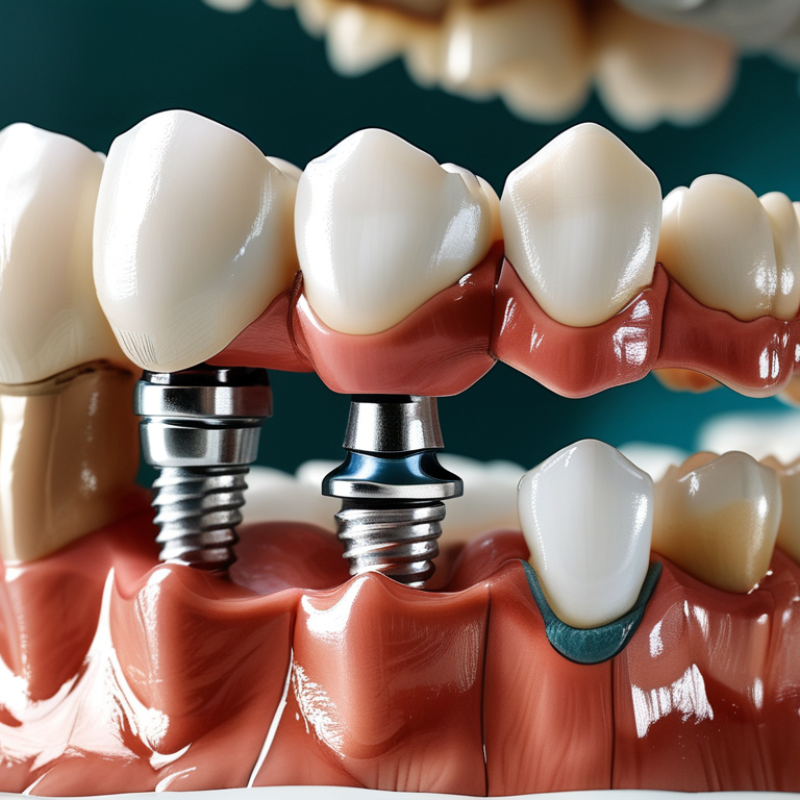
Overview of Dental Restoration Solutions Available in China
In recent years, the dental restoration solutions market in China has expanded significantly. Research indicates that the dental restoration market is projected to grow at a CAGR of 5.8% from 2023 to 2028. This growth reflects increasing dental awareness and the demand for restorative procedures. Patients are seeking solutions that offer durability and aesthetic appeal.
Popular restoration options include dental implants, crowns, and bridges. Dental implants are favored for their longevity, with a reported success rate of approximately 95% over ten years. Crowns, particularly made of porcelain, are preferred for their natural look. Many patients do find themselves confused about the options available. Understanding the different materials and procedures can be overwhelming.
Moreover, there are challenges in quality control and training for dental professionals. Reports have highlighted that over 30% of dental clinics struggle with maintaining consistent standards in restoration work. This raises concerns for patients regarding the reliability of the services they receive. Ensuring that clinics are accredited and that professionals are adequately trained is crucial for achieving desired results.
Key Factors to Consider When Choosing Dental Restorations
When choosing dental restorations, buyers should carefully evaluate several key factors. Material choice is crucial. Various materials, such as porcelain or resin, offer different aesthetics and durability. Porcelain is often favored for its natural look, while resin can be more cost-effective. However, buyers should consider their budget and long-term needs.
Another important aspect is the experience of the dental professional. An experienced dentist can provide insights into the most suitable options. Their expertise can significantly impact the final results. Communication is vital. Discussing preferences and concerns can lead to better outcomes. Some patients may feel overwhelmed by choices. It is normal to have doubts and questions.
Finally, examining the warranty and longevity of the restoration is essential. Some restorations may claim to last longer than they actually do. It’s beneficial to seek clarifications. Ensuring that the chosen solution meets both aesthetic and functional needs will lead to greater satisfaction. Balancing these factors can make the decision-making process smoother. Choosing the right dental restoration is a personal journey that requires thoughtful consideration.
Top 10 Dental Restoration Solutions in China
Top 10 Dental Restoration Materials and Their Applications
Dental restoration is a critical aspect of oral health. Understanding various materials is essential for informed decisions. Each material has unique properties that serve specific applications.
Ceramics are popular for their aesthetic appeal. They closely mimic natural teeth. However, they can be brittle and less forgiving in certain situations.
Composite resins offer versatility and can bond well to tooth structure. They are suitable for fillings and minor repairs. Yet, their longevity can be a concern, especially in high-stress areas.
Metals like gold and silver provide strength and durability. They withstand significant chewing forces. However, their color may not appeal to every patient.
Porcelain-fused-to-metal combines aesthetics with strength but may require more technique during placement. Each material has benefits and drawbacks. Choosing the right one depends on individual needs and the dentist’s expertise.
Cost Comparison of Dental Restoration Options in China
When considering dental restoration options in China, it’s essential to understand the costs involved. Research from industry reports indicates that dental implants can range from $500 to $2,500, with variations based on type and complexity. The quality of materials and expertise of practitioners affects pricing significantly.
Bridges and crowns are generally more affordable, costing between $200 and $1,200. These options serve well for less complex dental issues but may not last as long as implants. A detailed comparison shows that while implants are more costly upfront, their longevity can make them a worthwhile investment.
However, potential buyers should remain cautious. Some low-cost options may compromise on quality. Reports highlight that up to 20% of patients experience complications with cheaper restorations. It’s crucial to evaluate dental practices thoroughly, focusing on reviews, certifications, and patient care standards. Personal experiences can vary significantly, necessitating a deeper inquiry before making decisions.
Top 10 Dental Restoration Solutions in China - Cost Comparison
| Restoration Type |
Average Cost (CNY) |
Material Used |
Durability (Years) |
Aesthetic Quality |
| Composite Resin Filling |
500 |
Composite Resin |
5-7 |
High |
| Ceramic Crown |
3000 |
Ceramic |
10-15 |
Very High |
| Porcelain-Fused to Metal Crown |
2500 |
Porcelain & Metal |
8-12 |
High |
| Zirconia Crown |
4000 |
Zirconium |
10-15 |
Excellent |
| Dental Bridge |
6000 |
Various |
5-15 |
High |
| Implant-Supported Crown |
12000 |
Titanium & Ceramic |
15+ |
Very High |
| Resin Bonded Bridge |
2000 |
Composite |
5-10 |
Medium |
| Full Mouth Rehabilitation |
50000 |
Various |
10-20 |
Very High |
| Denture (Partial) |
3000 |
Acrylic |
5-10 |
Medium |
| Denture (Complete) |
6000 |
Acrylic |
5-10 |
Medium |
Regulatory Standards and Safety in Dental Restorations in China
In China, dental restoration solutions must adhere to stringent regulatory standards to ensure patient safety. The National Medical Products Administration (NMPA) oversees the approval processes for dental materials and devices. Compliance with these standards is crucial. Studies indicate that nearly 30% of dental implants fail due to improper material quality. This statistic highlights the importance of regulatory oversight in maintaining high safety levels.
Moreover, international certifications also play a vital role. Many manufacturers seek ISO and CE certifications to enhance their credibility. However, not all dental products in the market meet these international standards. A recent survey revealed that over 20% of dental professionals in China expressed concerns about the quality of the restoration materials they use. This indicates a growing need for enhanced transparency and rigorous enforcement of safety guidelines.
Beyond compliance, ongoing training for dental practitioners is essential. Continuous education helps professionals stay updated with the latest standards and techniques. Yet, many clinics lack access to comprehensive training programs. This gap can lead to suboptimal patient outcomes. As the dental industry evolves, a commitment to quality control and proper education remains critical for both practitioners and patients alike.