Choosing smart dental technology is not about buying the newest device. It is about improving diagnosis, treatment, communication, and daily workflow. A busy clinic may need faster imaging, clearer patient education, or safer digital records. The right choice should solve a real problem at the operatory level.
Begin by observing your team for one week. Note repeated data entry, delayed scans, uncomfortable handoffs, and equipment that sits unused. A digital scanner may shorten impressions, but only if clinicians receive practical training. An AI-supported imaging system may highlight concerns, but a qualified dentist must review every result. Technology supports professional judgment; it does not replace it.
Look beyond impressive demonstrations. Check clinical evidence, software updates, cybersecurity controls, maintenance response, and integration with your practice-management system. Ask vendors how data is stored, exported, and protected. Request a live trial with your own staff and typical patient cases. Our first shortlist might still be wrong. That is useful. A small pilot can reveal hidden costs, awkward interfaces, and workflow delays before a major investment. Reliable suppliers should explain limitations clearly, provide transparent pricing, and support informed decisions. Your team’s experience matters too. Their feedback may expose problems that a polished sales presentation hides.
The best smart dental technology fits your clinical goals, budget, staff skills, and patient expectations. Choose measurable value over novelty. Better care starts with careful questions.
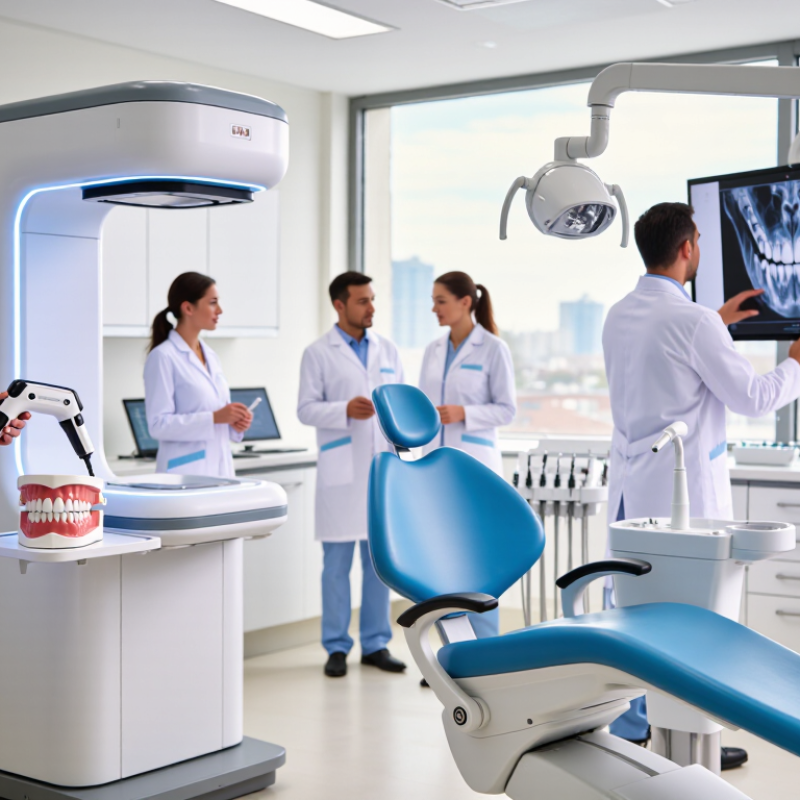
The WHO reports that nearly 3.5 billion people live with oral diseases. This figure changes how clinics should assess dental technology. The goal is not to purchase the most advanced system. It is to solve a measurable clinical problem.
A clinic should begin with its patient flow. Are early caries lesions being missed? Do radiographs take too long to review? Are follow-up records incomplete? These questions reveal the real need. A smart imaging tool may help detect subtle changes, but its results still require trained professional judgment. Look for validated performance, clear workflows, staff training, and reliable data storage. Technology should support decisions, not replace them.
Small details matter. A dentist may need images to load beside the patient’s chart within seconds. A nurse may need simple controls while wearing gloves. Patients may understand care better when findings appear on a clear screen. No tool is perfect. False alerts can increase anxiety, while complicated software can slow a busy morning. I would also question impressive demonstrations that lack independent evidence. A short pilot, measured against current practice, can expose these weaknesses. The best choice connects a specific clinical need with safer, faster, and more understandable care.
| Clinical need | Relevant global evidence | Useful technology capability | Clinic metrics to monitor | Priority |
|---|---|---|---|---|
| Overall oral-disease screening | Oral diseases affect approximately 3.5 billion people worldwide, according to the World Health Organization. | Digital intake forms, structured risk assessment, automated recall lists, and interoperable patient records. | Screening completion rate, overdue recall rate, risk-category accuracy, and time spent per assessment. | Very high |
| Dental caries detection | Untreated caries in permanent teeth is identified by WHO as one of the most common health conditions globally, affecting an estimated more than 2 billion people. | Intraoral imaging, standardized photo capture, lesion documentation, and decision-support tools that assist—not replace—clinical judgment. | New-lesion detection rate, restored-to-untreated ratio, diagnostic documentation completeness, and repeat-imaging rate. | Very high |
| Child oral-health prevention | WHO estimates that caries in primary teeth affects approximately 510 million children worldwide. | Child-friendly imaging, preventive-care reminders, parent education materials, and age-specific risk dashboards. | First-visit prevention rate, sealant or fluoride-application rate, missed pediatric appointments, and recall adherence. | High |
| Periodontal disease management | Severe periodontal disease affects approximately 1 billion people globally, based on WHO reporting. | Digital periodontal charting, standardized probing records, longitudinal comparison, and automated maintenance reminders. | Periodontal-chart completion, pocket-depth change, maintenance attendance, and treatment-acceptance rate. | High |
| Tooth loss and restorative planning | Tooth loss is commonly associated with untreated caries and advanced periodontal disease, creating a need for accurate assessment and long-term planning. | Digital treatment planning, complete-tooth-status records, radiographic integration, and patient-friendly visual communication. | Treatment-plan acceptance, case-completion rate, remakes, emergency follow-ups, and time from diagnosis to definitive care. | High |
| Access and affordability | The burden of oral disease is particularly high in low- and middle-income settings, where access to prevention and essential treatment can be limited. | Low-maintenance equipment, efficient workflows, remote consultation support, and flexible payment or appointment-management tools. | Cost per completed visit, chair utilization, waiting time, no-show rate, and percentage of patients receiving preventive care. | High |
| Data security and interoperability | Long-term oral-health management requires accurate, accessible records that support continuity of care and responsible handling of patient information. | Role-based access, audit trails, encrypted storage, standardized data exchange, backup procedures, and exportable clinical records. | System uptime, record-retrieval time, data-export success rate, security incidents, and staff compliance with access policies. | Very high |
| Technology adoption and training | Technology improves care only when it is integrated into routine clinical workflows and used consistently by trained staff. | Simple user interface, workflow integration, staff training, technical support, usage analytics, and clear clinical protocols. | Training completion, active-user rate, documentation time, workflow errors, and staff satisfaction. | Essential |
Evidence reference: World Health Organization, Global Oral Health Status Report: Towards Universal Health Coverage for Oral Health by 2030 (2022), and WHO oral-health fact sheets. Global estimates are rounded and intended for clinical-priority planning rather than patient-level diagnosis.
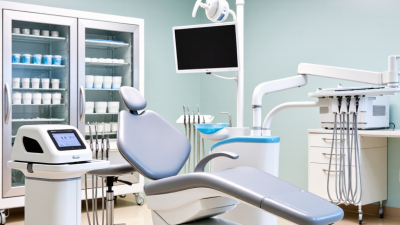
Smart dental technology should make prevention visible, measurable, and easier to deliver. The CDC reports that 25.9% of adults aged 20–64 had untreated dental caries during 2017–March 2020. That is roughly one in four adults. The figure comes from the National Health and Nutrition Examination Survey. It signals a daily care gap, not merely a treatment opportunity.
Choose tools that support earlier conversations. An intraoral camera can display a small enamel change on a chairside monitor. Digital risk assessments can combine diet, hygiene habits, previous lesions, and appointment history. Recall systems can flag missed preventive visits before problems become painful. These functions matter more than impressive specifications. A device should fit the clinical workflow, protect patient data, and produce records your team can interpret quickly. Start small.
The World Health Organization’s Global Oral Health Status Report estimates that oral diseases affect nearly 3.5 billion people worldwide. It also reports about 2 billion cases involving permanent teeth. Technology cannot correct weak communication or inconsistent follow-up. In practice, a dashboard may still miss a patient’s fear, cost concerns, or changing routine. Staff should review alerts, not obey them blindly. Measure fluoride counseling, preventive attendance, and lesion follow-up each month. Some metrics will expose uncomfortable gaps. That is useful. A clinic should revise its process when the data challenges its assumptions.
How to Choose Smart Dental Technology for Your Clinic?
A smart dental tool should earn trust before it enters the operatory. Check the FDA database and confirm its exact cleared indication. “FDA-cleared” does not mean approved for every diagnostic purpose. The intended use, patient population, and imaging conditions matter. Compare the product’s labeling with your planned workflow. If the claim sounds broader than the clearance, pause.
Clinical evidence deserves equal attention. Look for peer-reviewed studies, transparent methods, and outcomes measured against qualified dental professionals. Sensitivity and specificity can be useful, but they may change across devices, image quality, and patient groups. A small study may look impressive. It may still lack enough evidence for routine use. Ask whether the research reflects your clinic’s age range, radiography systems, and common case mix.
Test the tool with real cases before making a purchase decision. Include clear images, difficult findings, and cases with distracting restorations. Record false positives, missed findings, reporting time, and extra follow-up work. Keep a human review in the process. Never let software replace clinical judgment or patient discussion. Data handling also needs scrutiny, including access controls, retention periods, and staff training. An early pilot may expose problems you did not expect. That is useful. Reassess the tool after several weeks, not after one successful demonstration.
Choosing smart dental technology should begin with integration, not novelty. A connected scanner, imaging system, and practice-management platform should exchange patient data through documented standards, such as HL7 or FHIR. Test this with a real appointment, not a vendor demonstration. Check whether images, allergies, and treatment notes transfer correctly. A failed interface can create duplicate records or missing clinical details.
HIPAA safeguards need equal attention. Ask how the system applies role-based access, multifactor authentication, encryption, audit logs, and automatic session timeouts. Confirm that every service provider will sign a business associate agreement. HHS risk-analysis guidance also expects clinics to identify vulnerabilities, assess likely impact, and document corrective actions. Convenient access is not always safe access. A receptionist may need scheduling data, but not full clinical histories.
The HHS Office for Civil Rights breach portal recorded 725 large breaches affecting more than 133 million individuals in 2023. That figure includes many healthcare organizations, not only dental practices. The 2024 IBM Cost of a Data Breach Report placed the average healthcare breach cost at $9.77 million, the highest among studied industries. These figures are warning signals, not precise predictions for a small clinic. Still, ignoring them would be difficult to defend. Before purchase, request independent security documentation, recent penetration-test findings, retention policies, and a clear breach-notification process. Recheck permissions quarterly. Someone will eventually overlook one.
Assess interoperability with existing clinical systems, verify HIPAA administrative, physical, and technical safeguards, and review the broader healthcare breach environment before purchasing connected dental technology.
The chart shows the annual number of U.S. HHS OCR breach reports affecting 500 or more individuals. The figures are for all covered entities and business associates, not dental clinics specifically. Use this trend as a risk-awareness indicator when comparing integration controls, access management, encryption, audit logging, vendor agreements, and incident-response capabilities.
Source: U.S. Department of Health and Human Services, Office for Civil Rights, Breach Portal.
Choosing smart dental technology should begin with a controlled pilot, not a persuasive sales demonstration. Test one operatory for 60 to 90 days. Track appointment time, remakes, supply use, training hours, and patient acceptance. Record baseline figures before installation. Small details matter, such as whether a scanner saves eight minutes per impression or creates extra cleaning work.
Compare the results with ADA Health Policy Institute data and your practice’s cost structure. The Institute reported U.S. dental care spending of approximately $174.6 billion in 2023, showing a large but highly varied market. ADA Survey of Dental Practice reports also separate expenses into staffing, supplies, laboratory services, and equipment. Use these categories as practical benchmarks, not universal targets. A technology investment may look profitable until maintenance, software fees, and idle time are included.
Calculate ROI using incremental profit, not revenue alone. For example, divide annual net savings and added production by the full technology cost. Include installation, training, repairs, financing, and replacement cycles. Review the result monthly. Ask uncomfortable questions. Did productivity improve, or did the team simply work faster under pressure? Was patient comfort genuinely better? A weak pilot is still useful if it exposes poor workflow fit before a costly rollout. Some ADA benchmark figures may lag behind local prices, so document your assumptions and adjust them carefully.
WhatsApp us