What Are the Top Dental Restoration Types in 2026?

Choosing a dental restoration in 2026 means weighing durability, appearance, cost, and how much natural tooth can be preserved. A small filling may repair a cavity, while a crown can cover a badly weakened tooth. Bridges and implant-supported crowns can replace missing teeth, and veneers or inlays may suit more specific needs. The right choice depends on the tooth, bite, gum health, and the patient’s goals.

Restorative dentist and educator Dr. Gordon Christensen is often associated with the principle, “The best dentistry is no dentistry.” It reflects a useful caution: preserve healthy tooth structure whenever possible. Still, no single restoration works for everyone. A dentist may use digital scans to plan a crown, then check its fit against the patient’s bite. Materials such as ceramic, zirconia, and dental composite each have trade-offs in strength, appearance, and repairability. Small details matter.

This guide will compare the leading dental restoration types, explain where each may fit, and note questions to raise during a consultation. It will also look at practical factors, such as maintenance and expected longevity, without treating published averages as promises. A crown can look like a simple fix, yet removing tooth structure deserves careful thought. Not every case fits. Final recommendations should come from an in-person dental assessment, since photographs or online descriptions cannot reveal every clinical detail.
What Are the Top Dental Restoration Types in 2026?

What Dental Restorations Are and When They Are Needed

Dental restorations repair or replace teeth affected by decay, cracks, heavy wear, or tooth loss. The right option depends on how much healthy tooth remains, where the damage sits, and how you bite. A small cavity may need a filling. A badly weakened tooth may need a crown to cover and protect it. Missing teeth can sometimes be replaced with a bridge, denture, or implant-supported restoration. These choices are not interchangeable, and no single treatment suits everyone.

Treatment is usually considered when damage causes pain, sensitivity, trouble chewing, or a visible gap. Sometimes a tooth looks minor but has deeper decay, so an examination and X-rays may be needed. A dentist can explain the findings, expected lifespan, costs, and alternatives before treatment begins. Ask what could happen if you wait. The answer may be less tidy than expected, because tooth condition and personal priorities vary.

Tips: Notice pain when biting, lingering sensitivity, or a chipped edge. Book an assessment rather than guessing from appearance. Keep brushing with fluoride toothpaste and clean between teeth daily. These habits help protect natural teeth and restorations, though they cannot repair existing damage. If a restoration feels high or uncomfortable afterward, tell your dentist; small adjustments may help.

What Are the Top Dental Restoration Types in 2026? — What Dental Restorations Are and When They Are Needed

Restoration type What it is When it may be needed Common materials Key considerations
Direct filling A material placed directly into a prepared area of a tooth and shaped during the appointment. Small or moderate cavities, minor chips, or replacement of a small failing filling. Tooth-colored composite resin; dental amalgam in some situations; glass ionomer for selected uses. Usually preserves more natural tooth than a crown. The appropriate material depends on the tooth, cavity size, bite forces, and clinical circumstances.
Inlay or onlay A custom-made restoration fitted to a prepared tooth. An inlay fits within the cusps; an onlay covers one or more cusps. A tooth has more damage than a direct filling can reliably restore, but enough healthy structure remains to avoid a full-coverage crown. Ceramic, composite resin, or gold alloy. Often requires a laboratory or digital fabrication process and may take more than one visit, depending on the treatment approach.
Dental crown A custom cap that covers most or all of the visible portion of a tooth. A severely weakened, cracked, heavily filled, or extensively decayed tooth; a tooth may also need a crown after root canal treatment, depending on its condition. Ceramic or porcelain, zirconia, porcelain fused to metal, or metal alloys. Material selection balances strength, appearance, tooth location, bite, and available tooth structure. Some tooth preparation is usually required.
Fixed dental bridge A fixed replacement for one or more missing teeth, supported by natural teeth, implants, or both. One or more missing teeth when the neighboring teeth or implants can provide suitable support. Ceramic, zirconia, porcelain fused to metal, or metal alloys. A conventional bridge may require reshaping supporting teeth. Cleaning beneath the replacement tooth and maintaining the supporting teeth are important.
Dental implant with crown A tooth replacement in which a surgically placed implant supports an abutment and a crown. Replacement of a missing tooth when the patient’s oral and general health, bone support, and treatment plan make implant therapy appropriate. Implant fixtures are commonly made from titanium or zirconia; the crown may be ceramic, zirconia, or another dental material. Treatment involves surgery and healing time, and suitability varies. Implants require ongoing cleaning and professional maintenance.
Removable partial or complete denture A removable appliance that replaces some teeth (partial) or all teeth in an arch (complete). Replacement of multiple missing teeth or all teeth in an arch, including when a removable option is preferred or appropriate. Acrylic resin, metal framework for some partial dentures, and denture teeth made from resin or porcelain. Fit can change as the mouth changes, so adjustments or replacement may be needed. Remove, clean, and maintain the appliance as advised by a dental professional.
Dental veneer A thin covering bonded to the front surface of a tooth. Selected visible-tooth concerns, such as discoloration, small chips, or shape differences, when the tooth is otherwise suitable for a veneer. Porcelain or composite resin. Primarily changes the appearance of the front surface and is not a substitute for treating active decay or significant structural damage. Some enamel removal may be required.

Note: The most suitable restoration depends on an examination, the amount of remaining tooth structure, oral health, bite, and personal needs. Materials, treatment steps, and expected longevity vary; a dental professional can explain the options for an individual case.
How Dentists Assess Teeth Before Recommending a Restoration

In 2026, the right dental restoration still begins with a careful examination, not a trend list. A dentist checks how much healthy tooth remains, where decay or damage sits, and whether the tooth hurts during chewing. Small details matter. A hairline crack near a filling may change the plan.

The assessment can include visual inspection, gentle probing, bite checks, and dental images when needed. The dentist may also test how the tooth responds to temperature or pressure. Gum health and the way upper and lower teeth meet matter too.

A filling may suit a small cavity, while an onlay or crown may be considered when more structure is weakened. Missing teeth call for a different discussion, such as a bridge, denture, or implant-supported option. No single choice fits every mouth.

Patients can help by describing when discomfort began and what triggers it, even if the pattern seems inconsistent. That information is useful, but it does not replace an examination. Images also have limits; they show some problems better than others.

A dentist should explain what the findings mean, which options are reasonable, and what trade-offs each involves. Sometimes the first impression needs revisiting after closer checks.

Top Dental Restoration Types Available in 2026

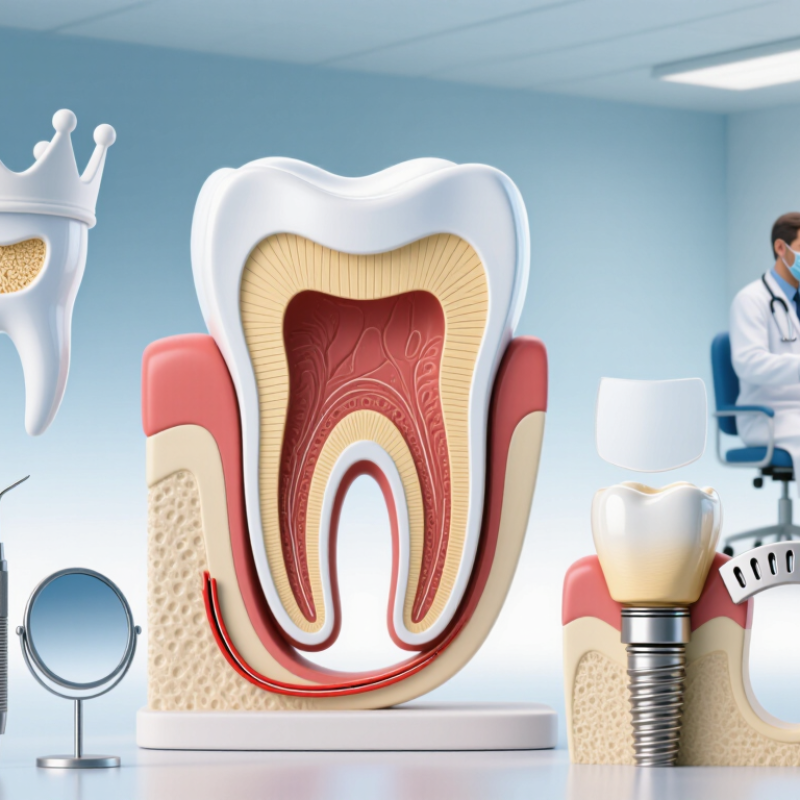
Dental restorations in 2026 range from small fillings to full tooth replacement. Tooth-colored composite fillings repair limited areas of decay and can blend with nearby enamel. Larger damaged sections may need an inlay or onlay, made to cover part of a tooth while preserving more of its natural structure. A crown covers the remaining tooth when it has lost substantial strength. It may be made from ceramic, metal, or a combination, depending on the tooth’s position, bite, and clinical needs.

Missing teeth have several options. A fixed bridge uses neighboring teeth for support, while a dental implant supports a replacement tooth through a post placed in the jawbone. Implants require careful assessment of bone health and healing time. Removable partial or complete dentures can replace several teeth or an entire arch, and they may need adjustment as the mouth changes. Veneers address selected visible surfaces, but they are not a substitute for treating decay or weakened teeth. Small details matter: a back tooth faces different chewing forces than a front tooth. No option is perfect. A dentist can compare examination findings, imaging, maintenance needs, and cost before recommending a suitable restoration.

Uses, Benefits, and Limitations of Each Restoration Type

What Are the Top Dental Restoration Types in 2026?
Uses, Benefits, and Limitations of Each Restoration Type

Tooth-colored fillings repair small cavities and usually preserve more natural tooth structure than larger restorations. They work well for limited damage, but may not support a tooth weakened by a large cavity. Inlays and onlays cover a broader area while keeping more of the tooth than a full crown. Crowns cover the entire visible tooth, helping restore strength after major damage or root canal treatment. They can feel bulky at first; that detail is sometimes overlooked.

Dental bridges replace one or more missing teeth by attaching to nearby teeth. They can restore chewing function without surgery, but supporting teeth may need reshaping and careful cleaning. Implants replace a tooth root and support a crown, offering a stable option when bone and gum health allow. Treatment takes time, and not everyone is a suitable candidate. Removable dentures replace several or all teeth, often at lower initial cost. They can shift, require adjustment, and need regular cleaning. No option is perfect.

Tips: Ask your dentist how each choice affects nearby teeth, bite, cleaning, and future repairs. Bring up any pain or sensitivity. A clinical exam and imaging help guide recommendations; personal preference alone cannot determine the safest fit. Brush gently around restorations, clean between teeth daily, and keep follow-up visits.

What Are the Top Dental Restoration Types in 2026?

Typical service-life estimates by restoration type (years)

These are broad estimates, not guarantees. Lifespan varies with oral hygiene, bite forces, material, and clinical circumstances. The implant bar is capped at 20 years to show a 15+ year estimate.

Composite fillings

Use: Repair small or moderate cavities. Benefit: Tooth-colored and bonds to tooth structure. Limitation: Can wear or stain, especially under heavy chewing forces.

Amalgam fillings

Use: Restore cavities, often in back teeth. Benefit: Durable and wear-resistant. Limitation: Metallic appearance; placement may require removing more tooth structure than bonded fillings.

Crowns

Use: Cover and protect a weakened, cracked, or heavily restored tooth. Benefit: Restores shape and chewing function. Limitation: Requires reshaping the tooth and may need replacement over time.

Fixed bridges

Use: Replace one or more missing teeth using neighboring teeth for support. Benefit: Fixed in place and restores chewing. Limitation: Supporting teeth usually need preparation, and cleaning beneath the bridge takes care.

Veneers

Use: Improve the appearance of the front surface of suitable teeth. Benefit: Can change tooth color or shape. Limitation: Often involves irreversible enamel removal and is not suitable for every tooth.

Complete dentures

Use: Replace all teeth in an arch. Benefit: A removable option that restores appearance and basic function. Limitation: May require adjustment as the jaw changes and can feel less stable than fixed options.

Dental implant fixtures

Use: Support a crown, bridge, or denture when replacing missing teeth. Benefit: A fixed option that does not rely on neighboring teeth for support. Limitation: Requires surgery and healing; suitability depends on health and bone conditions.

How to Choose and Care for a Dental Restoration

What Are the Top Dental Restoration Types in 2026?

How to Choose and Care for a Dental Restoration

Dental restorations include fillings, inlays, onlays, crowns, bridges, and implant-supported crowns. The right option depends on how much healthy tooth remains, where the damage sits, and how your bite comes together. A dentist may use an examination and X-rays to assess these details. Ask about expected durability, maintenance, and total cost.

A crown can protect a weakened tooth, but it may require reshaping the tooth. That trade-off matters.

Care starts with the basics. Brush twice daily with fluoride toothpaste, clean between teeth, and keep regular dental visits. After treatment, follow your dentist’s instructions, especially if your bite feels uneven or chewing stays uncomfortable.

Contact the dental office if a restoration cracks, loosens, or causes persistent pain. Small issues can be easier to assess early. Still, no restoration lasts forever, and habits such as chewing ice can shorten its life.

Tips: Use a soft-bristled brush around the gumline. Avoid biting hard objects. If you grind your teeth, ask whether a night guard is suitable. Keep your follow-up appointment, even when everything feels normal. It is easy to assume that a smooth surface means the restoration needs no attention; that assumption can be wrong.