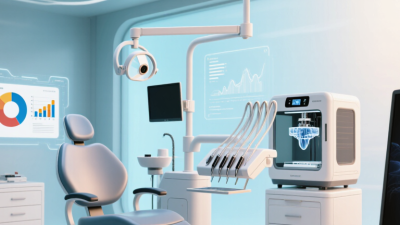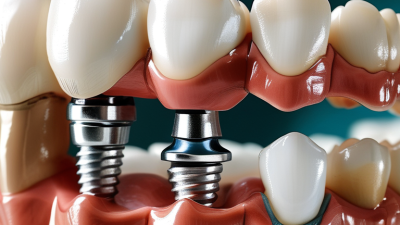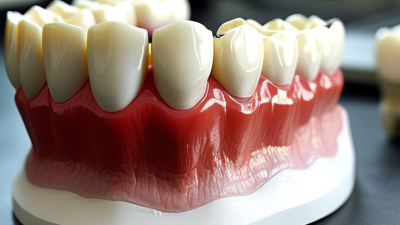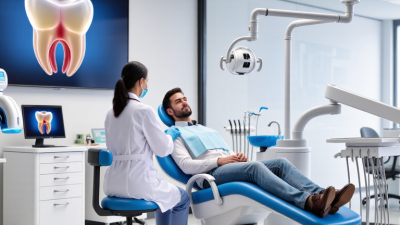
Dentistry is entering a period of rapid, practical change. Across clinics, digital tools are reshaping diagnosis, treatment planning, and patient communication. Artificial intelligence can highlight suspicious areas on radiographs, but trained clinicians must interpret every finding. Digital scanners, CAD/CAM systems, and three-dimensional printing can shorten laboratory delays and improve restorative workflows. Teledentistry may also extend professional guidance to patients who live far from urban clinics. Small changes matter.
Yet adoption is not automatically progress. A faster workflow can still produce poor care when training, maintenance, or clinical judgment is overlooked. Peer-reviewed research, professional guidance, and documented patient outcomes should guide technology decisions. Experience from daily practice remains essential, especially when devices behave differently outside controlled demonstrations. Some systems are impressive in a showroom, but less reliable during a busy afternoon with anxious patients.
The future of dentistry will depend on balance, not technology alone. Preventive care, minimally invasive treatment, clear consent, and compassionate communication must remain central. Sustainable materials and energy-efficient equipment may reduce environmental impact, although their full life-cycle costs require closer examination. Data privacy also deserves attention as practices collect scans, photographs, medical histories, and payment information. This article explores the leading trends shaping modern dental care and considers their practical limits. It connects innovation with safety, accessibility, professional accountability, and measurable patient benefit. The goal is not to predict a perfect future. It is to understand which advances genuinely improve care, and which still need stronger evidence.
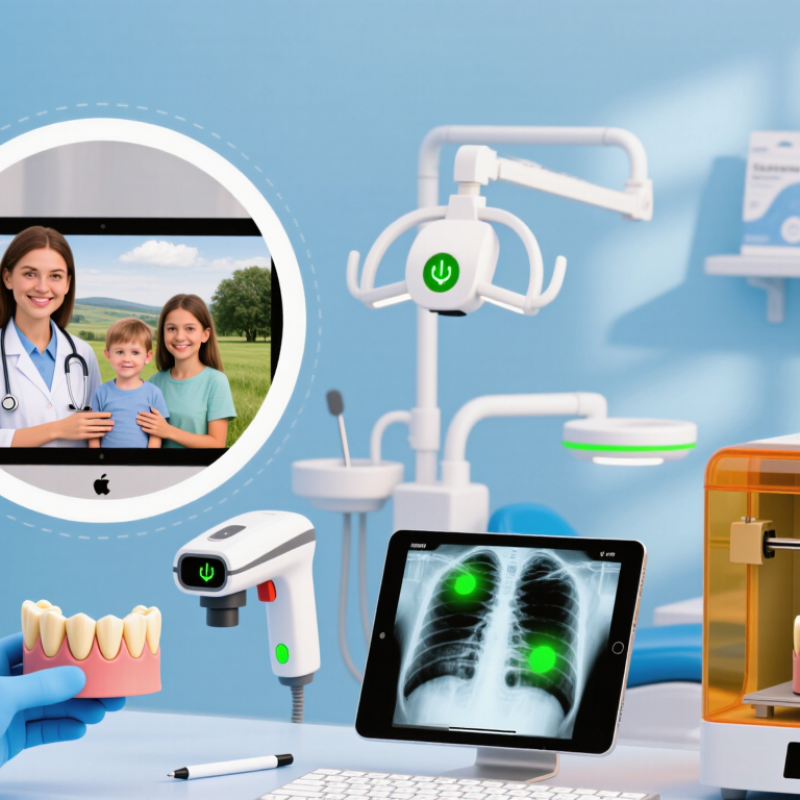
Top Dental Industry Trends Shaping the Future of Dentistry
Digital Transformation in Dental Diagnosis and Treatment
Digital transformation is changing how dentists examine, plan, and deliver care. In a modern clinic, an intraoral scanner can create a detailed three-dimensional model within minutes. Digital radiography also reduces waiting time and supports clearer clinical discussions. Patients can view images on a chairside screen. This often makes treatment choices easier to understand.
Artificial intelligence can highlight suspicious areas in dental images, but it should support professional judgment. Experienced clinicians must review findings, compare them with symptoms, and explain uncertainty. A software alert is not a diagnosis. Poor image quality, unusual anatomy, or incomplete patient history can produce misleading results. Human oversight remains essential.
Tele-dentistry and cloud-based records can improve access, especially for remote patients and follow-up appointments. Secure data handling, informed consent, and accurate record sharing are necessary. Digital systems may also reduce paperwork and improve communication between dental professionals. Yet progress is uneven. Not every digital tool improves care. Some clinics face training gaps, costly upgrades, or unreliable internet access. I have found that simple workflows often outperform impressive technology when staff cannot use it confidently. Continuous training, careful auditing, and honest conversations with patients help digital dentistry develop responsibly.
| Digital Trend | Clinical Application | Documented Data or Evidence | Expected Effect on Diagnosis and Treatment | Implementation Considerations | Evidence Status |
|---|---|---|---|---|---|
| Artificial Intelligence in Radiographic Diagnosis | Automated support for detecting dental caries, periapical lesions, periodontal bone loss and other findings on intraoral radiographs and panoramic images. | Systematic reviews published in recent years generally report high diagnostic performance for selected dental-image tasks, but results vary by disease, image quality, prevalence and validation method. | May improve image review consistency, prioritize suspicious findings and support earlier referral or intervention. AI should remain an adjunct to professional diagnosis. | Requires external clinical validation, representative datasets, documentation of false-positive and false-negative results, data governance and clinician oversight. | Growing clinical adoption |
| Digital Intraoral Scanning | Capturing digital impressions for crowns, bridges, aligners, implant restorations, study models and occlusal analysis. | Systematic reviews indicate that digital impressions can achieve clinically acceptable accuracy for many single-unit and short-span restorative applications, while full-arch accuracy remains more technique-sensitive. | Reduces reliance on physical impression materials, enables immediate digital review and supports faster communication with laboratories and patients. | Accuracy depends on scanning strategy, moisture control, edentulous areas, operator experience and the intended restoration. | Established and expanding |
| CAD/CAM and Same-Day Restorative Workflows | Digital design and computer-aided manufacturing of inlays, onlays, crowns, surgical guides and provisional restorations. | Digital workflows can reduce laboratory-transfer steps and may allow selected restorations to be designed and manufactured during one clinical episode; suitability depends on case complexity and material requirements. | Can shorten turnaround time, improve design repeatability and support rapid remakes or modifications from stored digital files. | Requires compatible scanning, design and milling or manufacturing systems, trained staff, quality control and appropriate material selection. | Established for selected cases |
| Three-Dimensional Printing | Production of surgical guides, orthodontic models, occlusal appliances, temporary restorations, dentures and educational models. | Accuracy is application-dependent and influenced by printer technology, material, layer thickness, post-processing, printing orientation and model geometry. | Supports on-demand manufacturing, digital storage of designs, customized appliances and potentially lower material waste compared with some subtractive processes. | Materials must be approved for their intended intraoral use; dimensional accuracy, biocompatibility, curing and sterilization procedures require documented control. | Rapidly growing |
| Cone-Beam Computed Tomography | Three-dimensional assessment for implant planning, impacted teeth, endodontic anatomy, maxillofacial lesions and complex surgical cases. | CBCT provides three-dimensional information with radiation exposure generally higher than conventional intraoral or panoramic imaging but typically lower than conventional medical CT, depending on protocol and equipment. | Improves visualization of anatomy and spatial relationships when two-dimensional imaging is insufficient. | Use should follow clinical justification and optimization principles; the smallest appropriate field of view and lowest adequate exposure should be selected. | Established with indication-based use |
| Teledentistry and Remote Triage | Remote consultations, postoperative follow-up, screening, prevention coaching, referral and monitoring of orthodontic or periodontal conditions. | Evidence supports teledentistry as a useful complement for triage, consultation and selected follow-up services, although it cannot replace all clinical examinations or diagnostic procedures. | Can improve access for rural or mobility-limited populations and reduce unnecessary in-person visits. | Requires secure communication, informed consent, clear escalation protocols, appropriate image quality and compliance with local professional and privacy rules. | Growing adoption |
| Digital Patient Records and Interoperability | Integration of clinical notes, radiographs, scans, photographs, periodontal charts, treatment plans and laboratory files. | Structured digital records improve data retrieval and sharing; interoperability standards such as HL7 FHIR are designed to support exchange between healthcare information systems. | Enables more complete clinical histories, coordinated care, analytics and longitudinal monitoring of treatment outcomes. | Data quality, cybersecurity, role-based access, backup procedures, standardized terminology and consent management are essential. | Core infrastructure trend |
| Digital Smile Design and Patient Visualization | Use of facial photographs, digital scans and virtual simulations to plan esthetic restorations and communicate proposed outcomes. | Digital simulations improve visual communication and treatment planning, but a simulation is not a guarantee of the final biological or esthetic result. | May increase patient understanding, support shared decision-making and improve alignment between patient expectations and the clinical plan. | Patients should be informed about simulation limitations, tissue variability, laboratory tolerances and the difference between visualization and prediction. | Growing use |
| Remote Monitoring and Connected Orthodontic Care | Patient-submitted photographs or scan data used to monitor aligner progress, oral hygiene, appliance fit and selected treatment milestones. | Remote monitoring can reduce the frequency of some routine appointments, but the appropriate interval varies by treatment stage, risk level and clinician judgment. | Supports earlier identification of missed wear, poor hygiene, appliance problems or treatment deviations. | Requires reliable patient participation, standardized image capture, clinical review by qualified professionals and clear emergency pathways. | Growing with clinical oversight |
| Predictive Analytics for Prevention and Recall | Risk-based recall intervals and preventive planning using caries history, periodontal measurements, oral-health behavior and longitudinal records. | Risk assessment is more informative when it combines multiple clinical and behavioral factors rather than relying on a single data point; predictive models require local validation before routine use. | May help allocate preventive resources, identify high-risk patients earlier and personalize recall schedules. | Models should be transparent, regularly audited for bias and used to support—not replace—professional judgment. | Emerging application |