Why Is Cosmetic Dentistry So Popular?
A brighter smile can change how someone feels in a photograph, a meeting, or a first conversation. That everyday visibility helps explain why cosmetic dentistry attracts so much attention. Teeth are part of how we speak and express emotion, so small changes can feel meaningful. Still, appearance is only one part of the story.
Treatments such as whitening, bonding, veneers, and orthodontic options offer different ways to address concerns. They are not interchangeable, and each has limits. Social media and easy access to before-and-after images may shape expectations, sometimes unfairly. A polished photo cannot show the full treatment process, cost, maintenance, or whether the result suits a person’s oral health. Real life is less tidy. Some people seek a subtle change; others want to feel less self-conscious when smiling. Both motivations deserve thoughtful discussion, not pressure.
Popularity also reflects advances in dental materials and planning, but technology does not guarantee a perfect result. A careful dentist will review oral health, explain alternatives, discuss risks, and set realistic expectations before treatment. Existing decay or gum problems may need attention first. Results and longevity vary by treatment and individual habits, including diet and oral hygiene. It is worth asking what a procedure can—and cannot—do. Cosmetic dentistry can support confidence, but it should not be presented as a cure for every insecurity. That distinction matters. The best choice is informed, personal, and grounded in health as well as appearance.
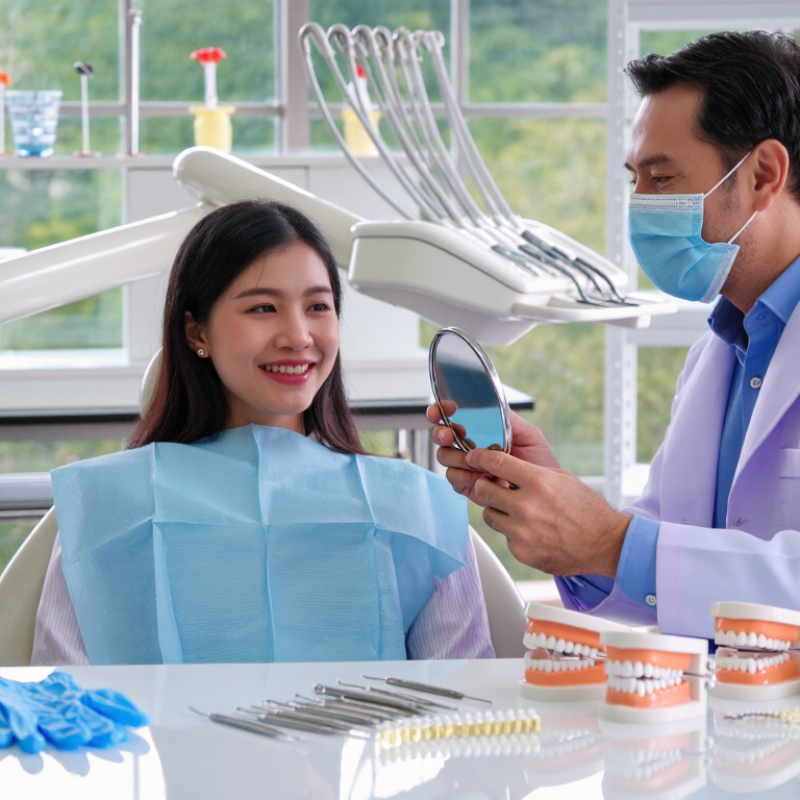
What Cosmetic Dentistry Includes
Cosmetic dentistry covers treatments designed to improve the appearance of teeth and gums, though some also restore function. Teeth whitening lightens surface stains; bonding uses tooth-colored resin to repair small chips or close narrow gaps. Porcelain veneers cover the front surfaces of teeth, while crowns reshape and protect more extensively damaged teeth. Small changes matter. A dentist should check for decay, gum disease, and bite problems before discussing cosmetic options.
The American Academy of Cosmetic Dentistry’s 2015 industry survey reported that participating dentists performed an average of about 65 cosmetic procedures monthly. That figure is not a national census, and it reflects a decade-old snapshot. Still, it shows how varied cosmetic care can be. Treatment may also include clear aligners, reshaping uneven edges, or contouring excess gum tissue. These options differ in cost, durability, and how much healthy tooth structure they affect.
A realistic consultation includes photographs, an examination, and a discussion of maintenance. Whitening can cause temporary sensitivity; veneers may require removing a small amount of enamel and are not easily reversed. Results also depend on oral health and habits, such as frequent coffee drinking or teeth grinding. A brighter smile is not automatically a healthier one. Ask what each procedure can—and cannot—change.
Why Is Cosmetic Dentistry So Popular? - What Cosmetic Dentistry Includes
| Treatment or factor |
What it includes |
Common aim |
Why people consider it |
Useful consideration |
| Professional teeth whitening |
A dentist-supervised treatment using bleaching agents to lighten natural teeth. |
Reduce certain stains and improve tooth shade. |
It is a relatively direct way to address discoloration without changing tooth shape. |
Results vary; sensitivity can occur, and fillings, crowns, and veneers do not whiten like natural teeth. |
| Dental bonding |
Tooth-colored composite resin shaped and bonded to a tooth. |
Repair small chips, close some minor gaps, or adjust the appearance of a tooth. |
It can address localized concerns with a tooth-colored material. |
Bonding may stain or chip over time and may need repair or replacement. |
| Veneers |
Thin custom-made coverings, commonly ceramic or composite, attached to the front surface of teeth. |
Change the visible color, shape, or size of selected teeth. |
They can address several visible concerns in the same area of the smile. |
Some veneer procedures require removal of enamel; suitability and maintenance depend on the individual case. |
| Orthodontic treatment |
Braces or clear aligners used to move teeth over time. |
Improve tooth alignment and, where appropriate, the bite. |
It can improve alignment through tooth movement rather than simply covering tooth surfaces. |
Treatment takes time and requires follow-up; retainers are commonly used afterward to help maintain alignment. |
| Crowns and tooth-colored restorations |
Restorations such as crowns or fillings that repair damaged teeth; materials and design can also affect appearance. |
Restore tooth form and function while aiming for a natural-looking result. |
They may address both structural needs and visible concerns when a tooth is damaged or weakened. |
A dentist recommends the restoration based on the tooth’s condition; a crown usually requires reshaping the tooth. |
| Why interest can be appealing |
Treatment options range from shade changes to changes in alignment, shape, or the repair of damaged teeth. |
Choose an approach that matches a person’s dental needs and appearance goals. |
People may value having options that can be tailored to a specific concern and discussed with a dental professional. |
Popularity does not establish that a treatment is right for everyone; costs, risks, longevity, and alternatives should be discussed before treatment. |
Cosmetic dentistry describes dental procedures intended to improve appearance. Many treatments also have restorative or functional purposes. A dental professional can assess oral health and explain suitable options.
How Cosmetic Dental Procedures Have Evolved
Cosmetic dentistry has shifted from conspicuous, extensive alterations toward treatments designed to preserve natural tooth structure. Whitening and bonding can address small changes in shade or shape; ceramic veneers and clear aligners may address more complex concerns. Digital scans and chairside design also help clinicians preview a plan before treatment. The tools have changed. The need for careful judgment has not.
The World Health Organization’s 2022 Global Oral Health Status Report estimates that oral diseases affect nearly 3.5 billion people worldwide. That figure is not a count of cosmetic patients, but it shows how often appearance and oral health concerns may overlap.
Meanwhile, Grand View Research valued the global cosmetic dentistry market at about US$30.1 billion in 2023, while projecting continued growth. Market estimates suggest commercial demand, not proof that every procedure benefits every patient. That distinction matters.
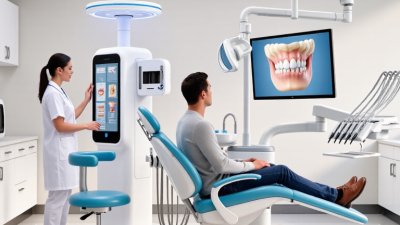
A digital preview can look convincing on a screen, yet suitability depends on a clinical exam, gum health, bite, and realistic expectations. More options can mean better personalization, but sometimes the most responsible change is a smaller one.
Why More People Choose Cosmetic Dental Treatments
Why Is Cosmetic Dentistry So Popular?
Why More People Choose Cosmetic Dental Treatments
People choose cosmetic dental treatments for practical and personal reasons. A chipped front tooth may catch the light in photos. Uneven edges or visible stains can also make someone feel hesitant to smile. Treatments such as whitening, bonding, or veneers may address different concerns, but they are not interchangeable. A dental professional can assess tooth health, explain likely outcomes, and discuss maintenance before recommending an option. A brighter smile can help, but it cannot fix every insecurity; that expectation deserves a pause.
The appeal is often control: patients can ask for subtle changes rather than a dramatic makeover. Still, each procedure has limits. Whitening may cause temporary sensitivity, while some restorations require removing tooth material. Results depend on the person’s teeth, gums, and habits, so photos of someone else’s smile are not a reliable promise. Ask about alternatives, costs, lifespan, and what happens if a result needs adjustment. Small details matter.
Tips: Bring clear photos showing what you like, and name what bothers you most. Ask the dentist to explain benefits, risks, and upkeep in plain language. Take time to decide. A second opinion can be useful when treatment feels extensive or permanent.
How Technology and Access Have Expanded Its Appeal
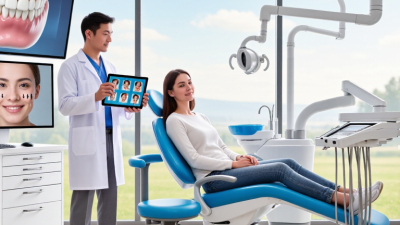
Cosmetic dentistry has become more approachable as digital tools make treatment options easier to see and discuss. Intraoral scanners can create detailed images without traditional impression trays. Digital photographs may help a dentist explain how tooth shape, spacing, or color affects a smile. Patients can ask questions while looking at a clear visual record. That makes planning feel less abstract.
Access has expanded, too. Many dental offices now offer consultations focused on appearance alongside routine care. People may compare options such as whitening, bonding, or clear aligners, then discuss cost, maintenance, and suitability with a qualified dentist. Remote consultations can help with early questions, but they cannot replace an in-person examination when one is needed. Convenience has limits.
Technology can support better conversations, but it does not guarantee a particular result. A digital preview is not a promise. Lighting, bite, gum health, and existing dental work can all affect what is realistic. Patients should consider whether a proposed change fits their health, budget, and everyday habits—not just a photograph. I think this part deserves more attention: a subtle result may feel more natural, yet personal expectations can be hard to define before treatment.
What Patients Consider Before Choosing a Procedure
Why Is Cosmetic Dentistry So Popular?
What Patients Consider Before Choosing a Procedure
Before choosing a cosmetic dental procedure, patients often start with a practical question: what would they like to change? A chipped edge, uneven color, or visible gap can affect how someone feels in photographs or conversations. Still, a goal inspired by a picture may not suit every smile. A dentist should examine teeth and gums, ask about sensitivity and previous treatment, and explain whether oral health needs attention first. That matters.
Patients can ask what a procedure involves, how long recovery may take, and what results are realistic. They should also discuss possible drawbacks, such as temporary sensitivity or the need for future maintenance. Not every option is permanent. For example, whitening and restorations have different limits and care needs. A clear explanation should include alternatives, not just the treatment someone initially requests. If an answer feels rushed, asking again is reasonable.
Cost and time deserve honest consideration, too. A treatment may require more than one appointment, and follow-up care can add to the commitment. Patients may want to review the dentist’s training and experience with the specific procedure, then ask to see examples of comparable cases. Even careful planning cannot guarantee a perfectly predictable result. Personal priorities can shift once the details become real, so taking time to decide is part of the process.
Why Is Cosmetic Dentistry So Popular?
What patients may consider before choosing a procedure
A smile’s perceived social and professional importance may influence interest in cosmetic dentistry. These figures report survey respondents’ beliefs—not clinical outcomes—and are only one consideration; patients should also discuss suitability, risks, alternatives, and cost with a dental professional.
Source: American Academy of Cosmetic Dentistry (AACD), 2013 consumer survey.