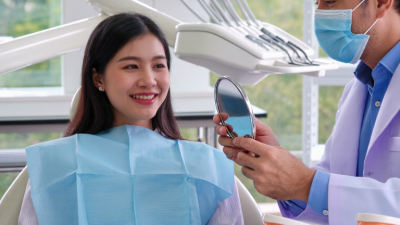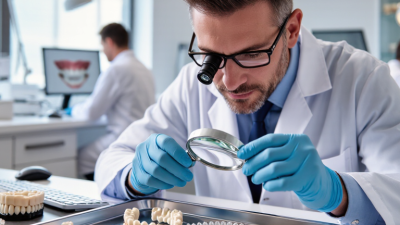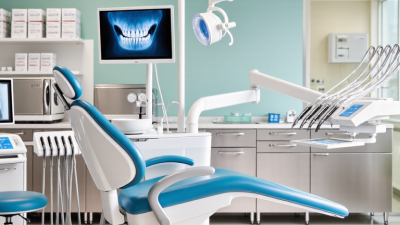
A confident smile is not built from perfect, identical teeth. It comes from choices that suit your face, your health, and your comfort. Cosmetic dentistry can address stains, chips, gaps, or uneven edges, but the right option depends on a careful dental assessment. As cosmetic dentist Dr. Bill Dorfman puts it, “Your smile is your best accessory.” A useful thought, though a healthy mouth matters more than any trend.
Small changes can make a visible difference. A dentist may discuss professional whitening, bonding, veneers, or orthodontic treatment, depending on your needs. Each option has limits. Whitening does not change the color of crowns, and veneers may require removing some enamel. Ask what a treatment can realistically achieve, how long results may last, and what care they will need. Get a clear explanation before deciding.
This guide shares ten practical tips for making informed choices and maintaining your results. You’ll find advice on consultations, daily habits, and details that are easy to overlook, such as discussing tooth sensitivity before whitening. Bring photos or questions to your appointment; they can help clarify what you like. Still, a picture cannot show how a treatment will look on you. That part takes judgment, conversation, and sometimes a rethink. A better smile should feel like yours—not like someone else’s template.

Cosmetic dentistry focuses on visible changes: tooth shade, shape, spacing, and the appearance of missing teeth. Options may include whitening, bonding, veneers, orthodontics, or restorations. The right choice depends on oral health, goals, and how much tooth structure a treatment affects. That distinction matters. A cosmetic consultation should include an examination of the gums, teeth, and bite before discussing appearance. The CDC’s analysis of 2017–March 2020 NHANES data estimated that 21.3% of U.S. adults aged 20–64 had untreated cavities. Treating decay or gum disease may need to come first.
A better-looking smile can support confidence, though results and feelings vary from person to person. In its 2015 survey, the American Academy of Cosmetic Dentistry reported that 86% of surveyed patients sought cosmetic dentistry to improve physical attractiveness and self-esteem. That is a survey finding, not a promise that treatment will change someone’s self-image. Ask about expected results, maintenance, risks, and less invasive alternatives. I should admit that “brighter” does not automatically mean “healthier.” Whitening, for example, changes tooth color; it does not repair decay. A careful plan aims for a natural-looking result while protecting long-term oral health.
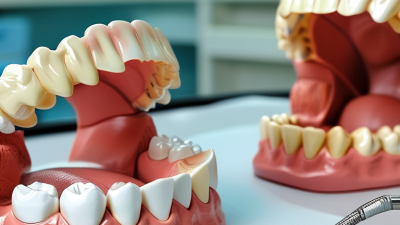
Assessing your smile begins with noticing, not judging. Look at your teeth in natural daylight, then note what you would genuinely like to change: a chipped edge, uneven spacing, stains, or a tooth that looks out of place in photos. Take a straight-on picture and one from each side. Keep them for comparison, but avoid treating a filtered image as a clinical standard. Small details matter. So does comfort. Record any sensitivity, bleeding gums, or trouble chewing; these concerns deserve attention before cosmetic choices.
A healthy starting point makes goals more realistic. The National Institute of Dental and Craniofacial Research reports that about 90% of U.S. adults aged 20–64 have had tooth decay. That figure comes from national oral-health data, and it is a reminder that appearance and underlying health cannot be separated.
Set one or two priorities, then agree on a practical timeline and budget with your dentist. Bring your notes and photos to the consultation. Be specific: “I want the front edges to look more even” is more useful than “I want a perfect smile.” Perfection is a slippery target. I may still change my mind after seeing a mock-up, and that is worth admitting early. Ask to review likely outcomes before treatment, including maintenance and possible sensitivity, so your plan reflects your own face, habits, and expectations.
Choosing a cosmetic treatment starts with the change you want, not a photo of someone else’s smile. For surface stains, professional whitening may be enough; small chips or gaps may suit bonding. Veneers can alter several visible teeth, while orthodontic treatment changes tooth position over time. Each option has trade-offs in cost, upkeep, and how much natural tooth structure it affects. A dentist should check your gums, bite, existing fillings, and sensitivity before recommending treatment. That matters.
Health comes first. The World Health Organization’s Global Oral Health Status Report (2022) estimates that oral diseases affect nearly 3.5 billion people worldwide. The CDC’s Oral Health Surveillance Report (2019) found untreated tooth decay in about 26% of U.S. adults aged 20–44. Those figures are a useful reminder: a brighter smile is not a substitute for treating disease.
Ask what a proposed procedure can realistically change, whether it is reversible, and what maintenance it needs. I would be cautious about choosing veneers for a concern that whitening or a small repair could address. Still, there is no universally “best” option; budget, tooth condition, and personal priorities matter. A second opinion can help when the plan feels rushed or unclear.
10 Cosmetic Dentistry Tips for a Better Smile
Preparing for and Managing Dental Procedures
A cosmetic procedure should begin with a clear discussion, not a rushed choice. Ask what will happen, how long recovery may take, and what alternatives exist. The CDC’s 2019 Oral Health Surveillance Report found that about one in four U.S. adults aged 20–64 had untreated tooth decay. That figure is not specific to cosmetic patients, but it’s a reminder to address oral health needs before elective treatment. A healthy foundation matters.
Tip: Bring a list of medications, allergies, and past reactions to dental care. Ask about anesthesia, expected discomfort, costs, and aftercare. It can feel fussy to ask twice. Do it anyway. Make sure you know whom to contact if you have concerns after leaving the office.
Before treatment, discuss your goals using specific details, such as the shade or shape you prefer. Ask how the procedure may affect your bite or existing dental work. Afterward, follow the clinician’s written instructions and avoid guessing about pain relief or eating restrictions. Mild tenderness may be expected, but worsening pain, swelling, fever, or persistent bleeding deserves a prompt call to your dental professional. Recovery can be uneven; report changes rather than toughing them out.
Typical number of treatment visits for selected cosmetic dental procedures
Appointment counts are typical examples, not guarantees. Your treatment plan may require additional visits for consultation, exams, or follow-up; some practices can also complete certain procedures in fewer visits. Ask your dentist what to expect for your specific case.
Cosmetic dental work still depends on everyday care. Brush twice daily with a soft-bristled toothbrush and fluoride toothpaste, especially along the gumline where plaque gathers. Floss gently between teeth; snapping the floss can irritate gums. After coffee, tea, or deeply colored foods, rinse with water. A quick rinse helps, but it does not replace brushing.
Be mindful of what your teeth do. Veneers, bonding, and crowns can chip or wear, so avoid biting ice, hard candies, or pen caps. If you clench or grind at night, mention it at your follow-up; a dentist can assess whether a protective guard is appropriate. Whitening products may not change the color of restorations, so ask your dental professional before using them. Small details matter.
Follow-up timing depends on your treatment and oral health. Keep recommended checkups, and contact your dentist sooner if you notice a loose restoration, persistent sensitivity, or a change in your bite. Retainers need regular wear if your smile was aligned with orthodontic treatment. I still find routines easy to skip on rushed evenings, which is a useful reminder: consistency is less glamorous than a new procedure, but it helps protect the result.
WhatsApp us